The Brief.

The business of content.

Author: Noah Keane

  • The Ultimate Guide to Self-Publishing Platforms That Pay Creators

    The Ultimate Guide to Self-Publishing Platforms That Pay Creators

    The creator economy has reshaped the publishing landscape. The old pathways — agents, commissions, traditional media hierarchies — still have weight, but they no longer hold a monopoly on opportunity. Today, writers, educators, artists, podcasters, photographers, adult creators, and niche experts are building sustainable income streams through direct-publishing platforms that give them control over content, cadence, and audience relationships.

    Self-publishing is no longer a fallback. It’s a business model — one rooted in independence, data ownership, and the freedom to build without permission. This guide explores the platforms actually paying creators, what they offer, where they differ, and how to choose the right model for your work.

    First Glance

    Subscription Platforms

    Recurring revenue is the closest thing creators have to stability. Subscription models suit those producing regular work and cultivating loyal audiences.

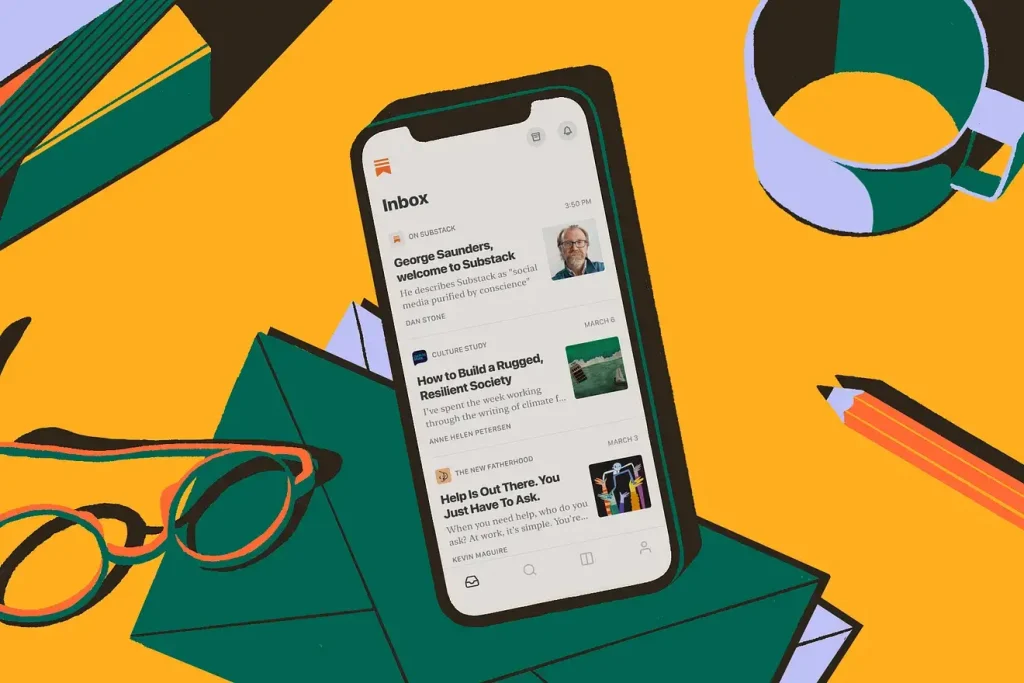
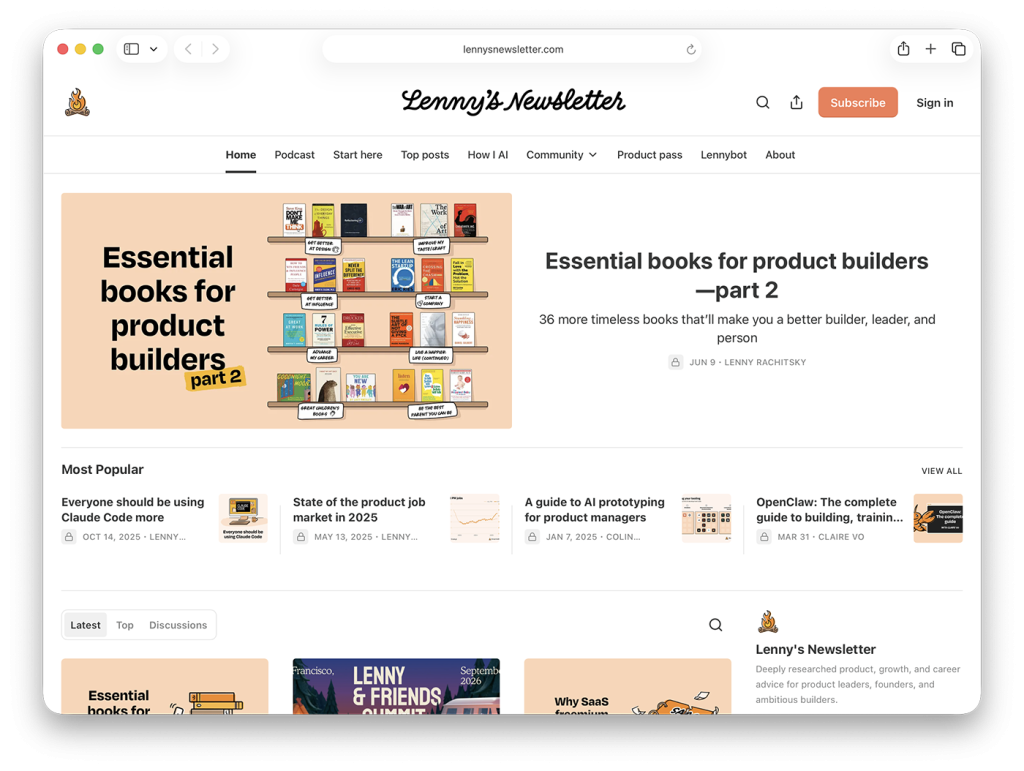
    Substack

    Ideal for writers, journalists, and commentators.

    – Email-first publishing
    – Paid newsletter subscriptions, founding memberships
    – Podcast and video-friendly
    – Community tools (chat, notes)

    Strength: direct audience ownership via email
    Good for: writing-led independent media brands, niche commentary, community-driven publishing

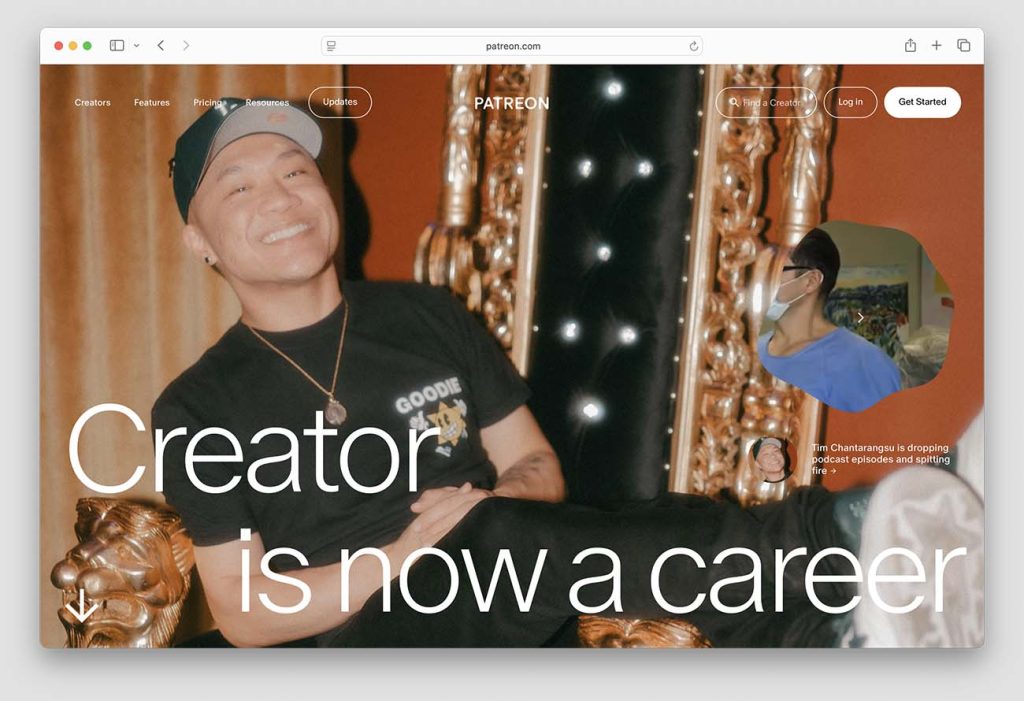
    Patreon

    One of the earliest models for recurring creator income.

    – Tiered memberships
    – Exclusive content, early access, community perks
    – Audio and video friendly

    Strength: flexible membership structures
    Good for: podcasters, educators, musicians, creators with a strong personality-led following

    OnlyFans

    Often framed narrowly, but a major economic engine for adult and wellness creators — and increasingly also for fitness coaches, entertainers, and educators.

    – Fan subscriptions
    – Pay-per-view content
    – Direct fan messaging
    – Tips and paid livestreams

    Strength: high audience conversion, direct creator-fan intimacy
    Good for: creators monetising intimacy, personality, and private-community dynamics

    Digital Product & Storefront Platforms

    For creators who prefer one-time sales, digital delivery, and asset-driven income.

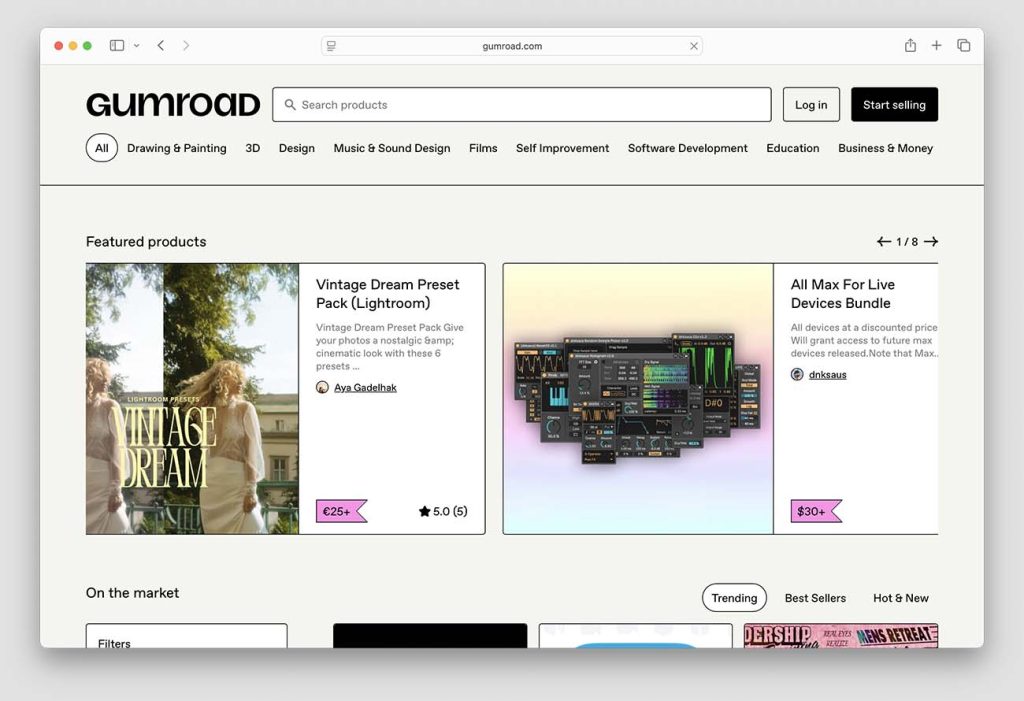
    Gumroad

    Simple, creator-first infrastructure.

    – Sell digital downloads, courses, memberships
    – Pay-once simplicity
    – No storefront complexity

    Good for: digital tools, ebooks, creative assets, templates, photography packs, indie publishing

    Ko-fi

    Creator support platform with tipping embedded into culture.

    – Donations (“buy me a coffee”)
    – Digital storefront
    – Memberships available

    Good for: artists, illustrators, independent makers, early-stage creators testing paid content

    Etsy

    No longer just crafts.

    – Digital downloads thrive (planners, fonts, Lightroom presets, guides)
    – Search-driven audience discovery
    – Known buyer intent

    Good for: visually-led creators, designers, lifestyle content, niche digital goods

    Course & Teaching Platforms

    For educators, coaches, and creators with actionable knowledge.

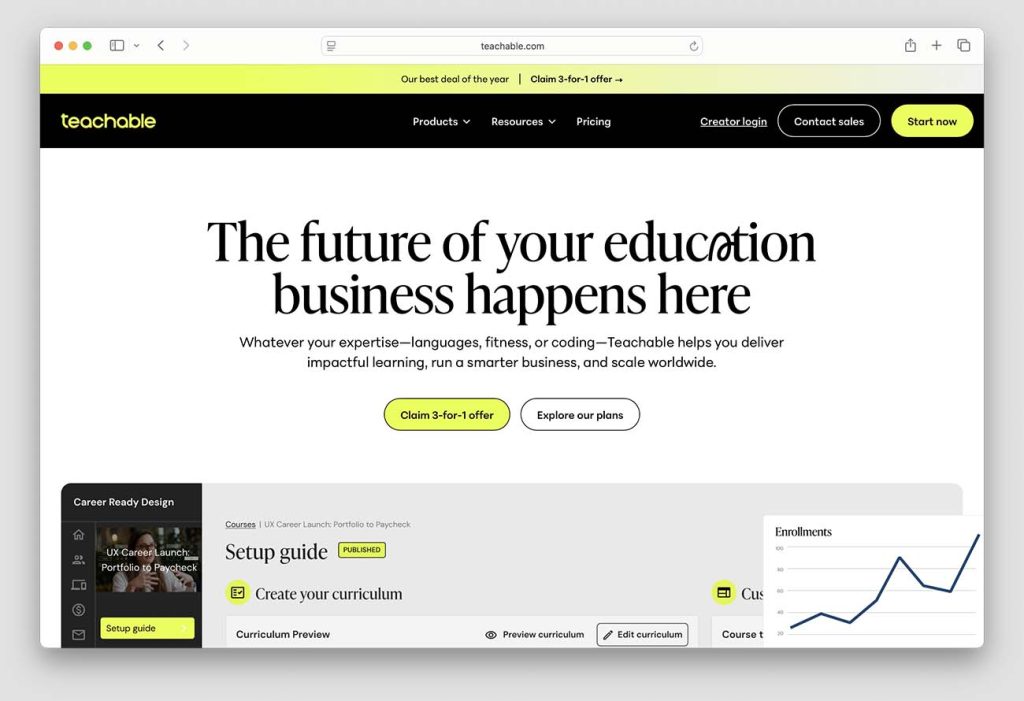
    Teachable / Thinkific

    Standalone course infrastructure.

    – Host video courses, sell bundles
    – Affiliate systems
    – Landing pages and student dashboards

    Good for: creators monetising expertise — marketing, design, fitness, language learning, technical skills

    Skillshare

    Marketplace model.

    – Creators paid via watch-time and referrals
    – Platform brings the audience

    Good for: design, illustration, writing, craft, productivity educators building top-of-funnel reach

    Screenshot

    Marketplaces & Ad-Share Platforms

    Better suited for reach-driven creators who monetise attention.

    YouTube

    The backbone of creator video income.

    – Ad revenue
    – Channel memberships
    – Merch shelf, SuperThanks, brand deals
    – Podcast push underway

    Good for: long-form storytelling, tutorials, commentary, evergreen content

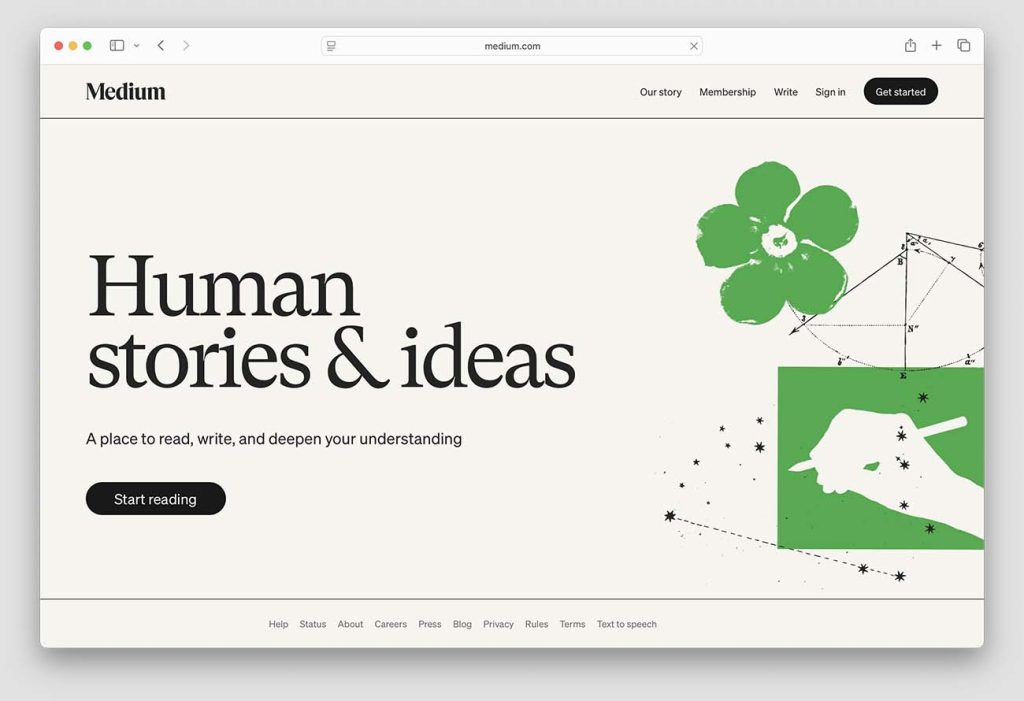
    Medium

    Writer-focused platform with a native audience.

    – Paid Partner Program based on member reading time
    – Niche publications
    – Distribution advantages when the algorithm hits

    Good for: essays, opinion, tech, wellness, personal narrative

    Screenshot

    Community-Led Spaces

    Private ecosystems where access is the product.

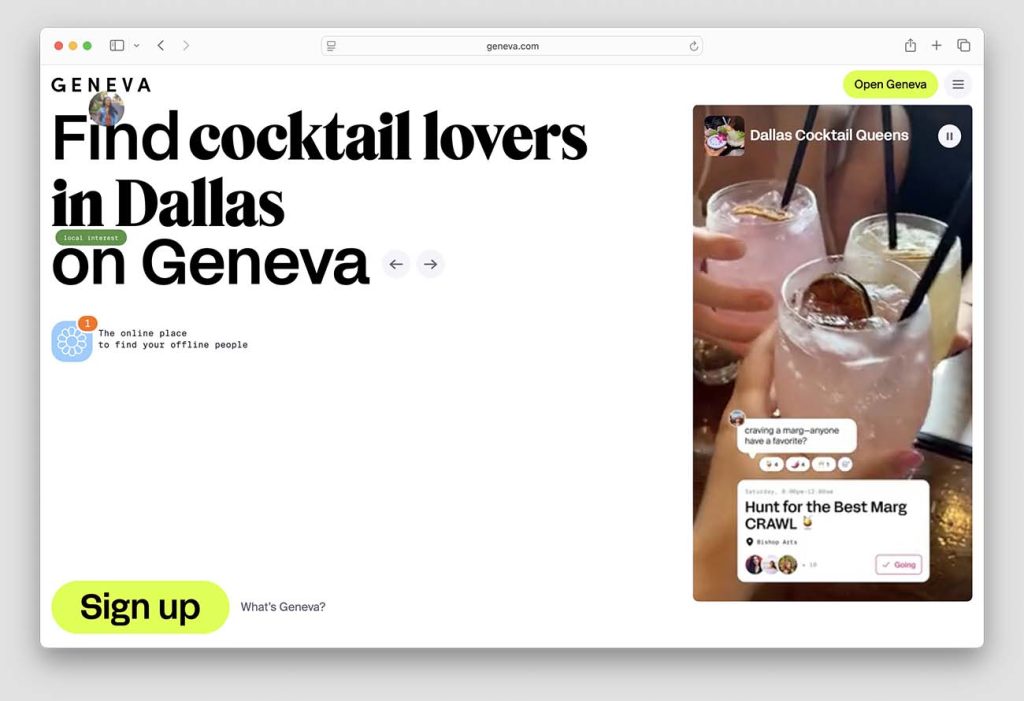
    Discord / Geneva

    Community hubs with paid entry or tiered access.

    – Membership-gated channels
    – Real-time conversation culture
    – Loyalty over scale

    Good for: niche groups, education cohorts, fan communities, accountability clubs

    Choosing a Platform: Strategic Questions

    Self-publishing isn’t about choosing the trendiest tool — it’s about choosing alignment.

    – Do you want ongoing revenue or one-off sales?
    – Is your work episodic or evergreen?
    – Where does your audience naturally gather?
    – How much control do you want over data and distribution?
    – Are you monetising information, entertainment, intimacy, or community?

    Creators who thrive treat platforms as infrastructure, not identity. Many operate with a portfolio approach: newsletter for core audience, marketplace for assets, community for depth. A sustainable publishing model is rarely one-platform-only — it’s a system.

    Erika Moen

    Case Studies: Creators Turning Platforms into Businesses

    The most successful self-publishers treat their platforms as infrastructure, not identity. These creators demonstrate how different models translate into long-term, independent income.

    Anne Helen Petersen — Substack

    A former BuzzFeed journalist, Petersen left traditional media to build Culture Study, a paid Substack newsletter exploring work, culture, and burnout. Her newsletter revenue now outpaces her former salary, and she’s expanded into podcasting and events.

    Lesson: Subject-matter authority and consistency can replace institutional backing.

    Hank Green — Patreon and YouTube

    One of the earliest YouTube educators, Green co-founded VidCon and runs a portfolio that spans science education, podcasts, and books. Patreon memberships fund niche projects free from ad pressure.

    Lesson: Diversification across platforms protects creative independence.

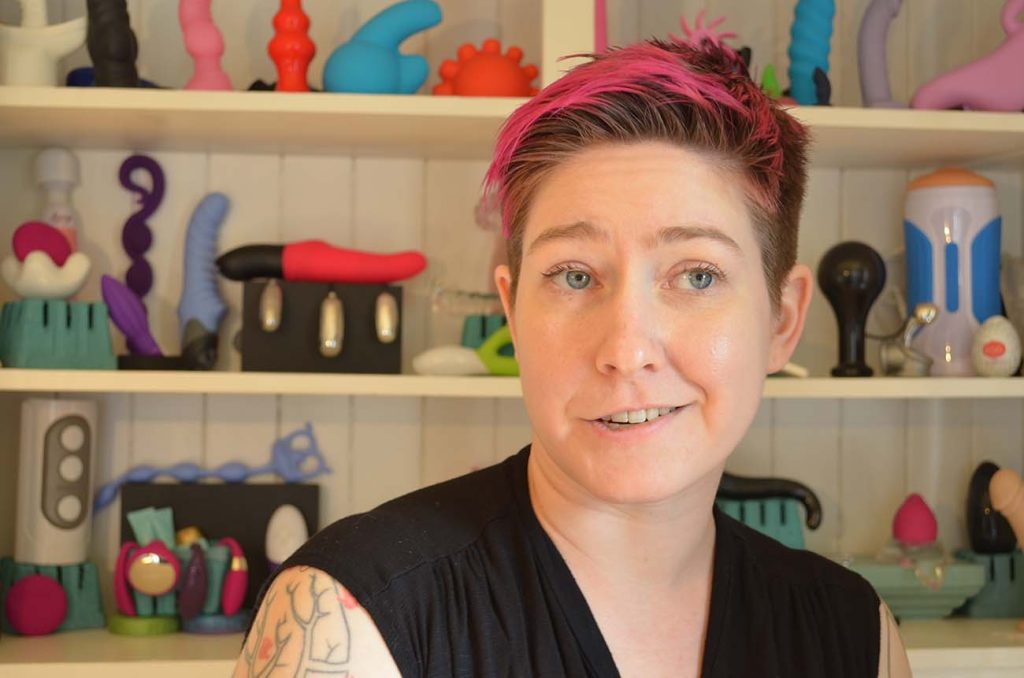
    Erika Moen — OnlyFans and Patreon

    The cartoonist behind Oh Joy Sex Toy built her audience through webcomics before adopting subscription models on Patreon and OnlyFans for adult education and art.

    Lesson: Intimacy and transparency can be a professional asset when framed within a clear ethical and creative vision.

    Ali Abdaal — Teachable and YouTube

    A former doctor turned productivity educator, Abdaal used YouTube as discovery and Teachable for conversion, building a multimillion-dollar online course business.

    Lesson: Free reach can feed high-value educational products when paired with structure and credibility.

    Traci Thomas — Podcast and Newsletter Ecosystem

    Host of The Stacks podcast, Thomas leveraged her literary community into paid newsletters, brand partnerships, and speaking events.

    Lesson: Community can be monetised laterally — through media, live experiences, and sponsorships.

    Each example underscores the same pattern: clarity of voice, audience ownership, and a willingness to evolve the business model as platforms shift.


    🔑 Key Takeaways

    💼 Self-publishing is a strategic business model, not an alternative to traditional media.

    💸 Subscription platforms like Substack, Patreon, and OnlyFans deliver recurring income and audience depth.

    🛍️ Digital storefronts such as Gumroad, Etsy, and Ko-fi work best for evergreen products and creative assets.

    🎓 Course platforms (Teachable, Thinkific, Skillshare) help knowledge-driven creators scale education.

    📺 Marketplace platforms including YouTube and Medium reward reach but depend on algorithms.

    💬 Community platforms like Discord and Geneva build loyalty and higher-value engagement.

    🧭 Operate across multiple channels — the most sustainable creator businesses diversify their presence.

    Ownership, consistency, and direct audience relationships remain the real differentiators.

  • How LGBTQ+ Creators Are Building Sustainable Brands in the Creator Economy

    How LGBTQ+ Creators Are Building Sustainable Brands in the Creator Economy

    Every June, the internet undergoes its annual rainbow transformation. Brands switch their logos, campaigns promise inclusion, and LGBTQ+ creators find their inboxes swelling with short-term offers. Pride has become both a cultural touchstone and a commercial cycle — one that can offer queer talent a moment in the spotlight but rarely a seat at the table.

    The problem isn’t visibility. It’s what happens to that visibility once the calendar flips to July.

    For many queer creators, this seasonal surge is a double-edged sword: welcome exposure wrapped in structural fragility. Pride Month may open the door to new audiences and brand collaborations, but it often does little to address the underlying instability of the creator economy — particularly for communities historically sidelined from its rewards.

    Sustainable creative work requires more than a seasonal invitation. It requires ownership, strategy, and infrastructure.

    A fragile spotlight

    The commercialisation of Pride has created a predictable rhythm. From mid-May to early July, brand budgets open up. Sponsored posts rise. Queer creators are booked for panels, features, and partnerships that promise to “celebrate diversity.” And then — almost as if by script — the emails slow down, the campaigns dry up, and attention drifts elsewhere.

    This annual boom-and-bust cycle leaves many creators trapped between hyper-visibility and neglect. It’s not just emotionally disorienting; it’s financially precarious. Campaigns are short-term, rates are often inconsistent, and visibility is typically built on borrowed platforms that don’t guarantee retention once the algorithm moves on.

    Several LGBTQ+ creators have described this moment as a “sugar high” — a burst of opportunity without the infrastructure to sustain it. For those without long-term audience strategies, the come-down can be brutal: metrics collapse, income dips, and creative momentum is interrupted.

    M&S’s limited-edition “LGBT” sandwich, a 2019 Pride stunt mocked for turning identity into a pun rather than offering real support.

    Platforms don’t owe permanence

    Social media has always been volatile terrain, but queer creators often face additional friction: shadowbanning, content moderation biases, and advertiser “brand safety” filters that penalise words, images, and identities. This is especially visible on Instagram and TikTok, where LGBTQ+ content is frequently demoted or flagged.

    Depending on seasonal marketing pushes makes creators vulnerable to forces they can’t control — algorithms, ad budgets, or shifting cultural winds. That’s why more queer creators are moving to models that prioritise direct audience ownership.

    Platforms like Substack and Beehiiv have become vital tools: not glamorous, but powerful. Email lists don’t vanish when hashtags fall out of trend. Subscription platforms such as Patreon or OnlyFans give creators predictable monthly income and the ability to define their communities on their own terms. Private Discord servers, Signal groups, and forums are becoming modern queer salons: spaces where creators and audiences connect without platform mediation.

    What’s happening here isn’t just diversification — it’s insulation. By owning the means of connection, creators reduce the damage when algorithms shift or Pride campaigns disappear.

    Jeffrey Marsh is a nonbinary creator and author who built a strong personal development niche through short-form video and books, they continue to build their personal brand through content education, speaking engagements and Patreon among other revenue streams.

    Diversifying income streams

    For creators, sustainable business models are rarely built on a single revenue source. Among queer talent who’ve managed to create stable income, certain patterns recur:

    • Direct subscriptions that provide a baseline of recurring revenue.
    • Digital products and merchandise that turn personal aesthetics or expertise into tangible assets.
    • Strategic brand partnerships negotiated year-round, not concentrated in June.
    • Workshops, live events, or performances that expand the relationship beyond the screen.
    • Consulting or creative direction that leverages personal branding into external opportunities.

    This layered structure is a hedge against volatility. It ensures that when one stream falters — whether that’s a platform policy change or the post-Pride marketing slump — another can pick up the slack.

    Importantly, these creators treat their work less like a campaign calendar and more like a publishing strategy. They understand what their audience values, how to deliver it consistently, and how to own as much of that delivery mechanism as possible.

    Bimini Bon-Boulash’s CBD lube is an uncompromising success story in the queer creator economy

    Branding without compromise

    Tokenization remains a persistent challenge. Many LGBTQ+ creators are offered opportunities framed around their identity rather than their craft. That dynamic can distort career trajectories: the work becomes secondary to representation, and creators are treated as seasonal symbols rather than fully formed talents.

    Long-term branding means reversing that hierarchy. It means treating identity as context, not commodity. Queer creators increasingly choose to collaborate with partners whose values align with their communities year-round — not just when rainbow logos trend. They set terms, build their own media ecosystems, and use seasonal campaigns as leverage rather than lifelines.

    This isn’t about turning down visibility. It’s about refusing to let visibility define the perimeter of their work.

    Case Studies: Queer Creators Redefining Independence

    A growing number of LGBTQ+ creators are proving that creative control and commercial success aren’t mutually exclusive. Across media, fashion, and publishing, they’re demonstrating that independence — not token visibility — is the foundation of a lasting career.

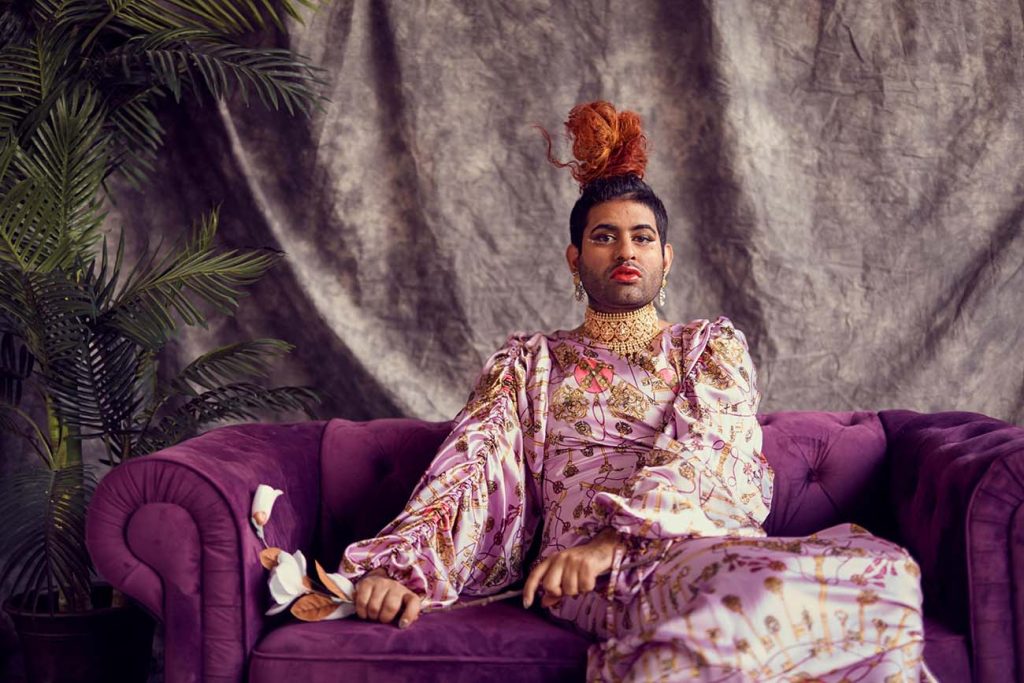
    Alok Vaid-Menon

    Alok Vaid-Menon, the writer and performance artist, has built a multifaceted brand that spans books, global speaking tours, and fashion collaborations. Their audience follows them not just for activism, but for perspective and style — an example of how thought leadership can function as a business model.

    Chella Man, the artist and filmmaker, blends queer and disability representation into a visual identity that extends from art installations to major brand work. By maintaining creative direction over every project, they’ve turned lived experience into both cultural and financial capital.

    Chris Olsen represents a new generation of digital-native LGBTQ+ entrepreneurs. What began as short-form humour on TikTok has evolved into a lifestyle brand anchored by Flight Fuel, his coffee company — a case study in how personality-led content can move from algorithm to product.

    In the adult and independent film space, Erika Lust has built a self-sustaining creative ecosystem through ErikaLust.com and LustCinema.com, showing how ethical, sex-positive storytelling can thrive on a subscription model. It’s an approach rooted in direct relationships with audiences, not dependency on ad-based platforms.

    Each of these creators operates with a similar blueprint: diversify income, retain rights, and build community around authentic work rather than opportunistic representation. Together, they illustrate what a mature queer creator economy looks like — one defined by ownership and longevity rather than seasonal relevance.

    Salsa Queer by Erika Lust

    Community over virality

    Another defining trait of sustainable queer creator brands is their orientation toward community rather than mass reach. Large platforms promise viral moments but rarely deliver loyal audiences. Newsletters, closed groups, and paid memberships may produce smaller numbers, but they foster deeper engagement, more stable income, and creative freedom.

    Queer creators have long been skilled at building alternative networks — a survival strategy born of exclusion. That same instinct is now becoming a blueprint for resilient digital business models.

    Playing the long game

    Building a queer creator brand that lasts requires a deliberate shift in perspective: away from seasonal visibility, toward ownership and autonomy. Pride Month can offer a platform, but what matters most is what creators build after the campaigns end.

    The most durable queer creator brands operate like independent media companies: they own their audience relationships, distribute on multiple channels, diversify revenue, and protect their creative voice. They understand the cycle — and they prepare for it.

    The rainbow logos will fade each July. The work that remains is what counts.

    🔑 Key Takeaways: Building Sustainable LGBTQ+ Creator Brands

    • Don’t rely on Pride Month visibility. Treat seasonal campaigns as bonus exposure, not your foundation.
    • Own your audience data. Email lists, subscriptions, and private communities are long-term assets.
    • Diversify revenue. Combine recurring subscriptions, products, partnerships, and live experiences.
    • Build partnerships with alignment. Choose brands that reflect your values and audience all year.
    • Prioritise community. Deep engagement beats fleeting virality every time.
    • Think like a publisher. Consistency, ownership, and autonomy define sustainability in the creator economy.
  • From Bedroom Mirror to Boardroom

    From Bedroom Mirror to Boardroom

    How a generation of young women are transforming mirror selfies and ‘GRWM’ videos into fully fledged fashion and beauty businesses.

    Scroll through Instagram on any given morning and you’ll see it: a softly lit bedroom, a girl in front of a mirror, phone tilted just so. It’s a scene so familiar it barely registers. But beneath that simplicity lies a complex and increasingly powerful engine of commerce — one that’s reshaping how style moves from personal expression to marketable brand.

    What used to be dismissed as vanity posting has become a launchpad. Mirror selfies, ‘get ready with me’ videos, and low-stakes styling clips are now early-stage branding exercises for a growing class of young female creators building empires out of their bedrooms.

    Emma Chamberlain

    Aesthetic as strategy

    The early influencer economy rewarded scale: glossy sponsored posts, aspirational trips, and big follower counts. Today, the power is shifting. Smaller, tightly defined communities — often built around one girl’s wardrobe, routine, or beauty rituals — drive more targeted engagement than mass-market celebrity campaigns ever could.

    Look at creators like Matilda Djerf. What began as an Instagram feed of hair tutorials and mirror outfits grew into Djerf Avenue, a multimillion-dollar fashion label worn by girls from Stockholm to Seoul. Her brand didn’t emerge from a boardroom brainstorm; it was built post by post, over years, by cultivating a personal aesthetic that felt both intimate and aspirational.

    Then there’s Emma Chamberlain, whose offhand personal style — thrifted vintage, hoodies, half-buttoned shirts — redefined what “influence” could look like. She parlayed that identity into Chamberlain Coffee, a brand that mirrors her irreverent, slightly chaotic persona. Her image didn’t follow a marketing plan. It was the marketing plan.

    Nitsan Raiter

    From personal taste to intellectual property

    This is the crucial shift: taste, once a soft asset, is now hard currency. A mirror selfie isn’t just documentation; it’s an early-stage product test. Affiliate links and soft drops allow creators to measure demand before manufacturing at scale. Brands follow their audiences rather than the other way around.

    In 2024, affiliate revenue among female fashion and beauty influencers on Instagram and TikTok grew by over 40%, according to data from Lyst. Smaller creators — typically those with 10–100k followers — consistently outperform larger influencers on conversion rates. It’s not about reach anymore; it’s about resonance.

    A new generation of founders understands this intuitively. Nitsan Raiter, for example, built her beauty brand Mind Your Skin not from glossy campaign shoots, but through years of sharing her personal skincare routine on Instagram Stories. By the time she launched, she had a built-in customer base who trusted her taste because they’d watched her evolve it in real time.

    The rise of the one-woman brand

    In practical terms, many of these businesses begin almost accidentally. A creator posts a thrift haul or a handmade jewellery drop. The response is immediate. DMs turn into orders. Orders turn into spreadsheets. Within a year, she’s negotiating with suppliers in Portugal or fulfillment partners in Los Angeles.

    But behind the casual tone lies a shrewd understanding of audience behaviour. The most successful fashion and beauty creators don’t try to reach everyone. They speak directly to a niche group — often young women who share not just a style, but a worldview. Their drops sell out not because they’re aggressively marketed, but because they feel personal.
    This intimacy is strategic. A “drop” on Instagram becomes a focus group. A mirror outfit post functions as pre-launch hype. It’s a loop that bypasses traditional advertising altogether.

    Camille Charrière

    The shifting power balance with legacy brands

    Legacy fashion and beauty houses have noticed. Where they once dictated trends, they now court them. Instead of sponsoring campaigns, they collaborate with individual creators who command small but fiercely loyal audiences.

    “Micro-creators can move product faster than some of our mid-tier retail campaigns,” says a marketing director at a major beauty label (who asked not to be named discussing strategy). “When their followers trust their taste, they don’t need convincing. They just buy.”

    This dynamic has tilted the balance of power. It’s no longer unusual to see a 23-year-old influencer with a home studio out-performing global fashion brands on product sell-through — with a fraction of the overhead.

    The cost of being the product

    But with power comes exposure. When your face, body, or personal taste is the brand, the line between professional and personal can collapse. Creators face intense pressure to maintain an image that isn’t just flattering but commercially viable. Burnout, parasocial scrutiny, and the demand to “stay on trend” all factor into this new model of entrepreneurship.

    Some influencers have responded by building teams earlier: bringing in managers, accountants, even production partners to professionalise their operations. Others are more protective, keeping things intentionally small to preserve their autonomy.

    This isn’t just a story about cute outfits and morning routines. It’s a story about a new kind of business built at the intersection of aesthetics, intimacy, and commerce.

    From mirror to empire

    In many ways, the mirror is the new boardroom. What looks like personal style is often structured strategy. A girl filming a GRWM in her bedroom might be soft-launching a beauty line. A thrift haul could be a mood board for a future label.
    The playbook is being written in real time, one outfit at a time — and young women are at the centre of it.

  • How to Read a Brand Deal Like a Lawyer

    How to Read a Brand Deal Like a Lawyer

    Brand partnerships have become a central revenue stream for independent creators. For many, they’re the first sign that a personal project has matured into a business. But the document that arrives attached to a friendly email is rarely as benign as it looks. A collaboration agreement is a legal contract with consequences that can shape your income, your image, and your future commercial opportunities.

    Lawyers approach contracts as instruments of power: one side tries to secure as much of it as possible, the other side attempts to hold on to what’s theirs. Creators often forget they’re part of that negotiation. They sign quickly, grateful for the opportunity, and in doing so, sometimes give away far more than they realise.

    Approach the contract with the same care the brand’s legal team already has.

    Usage Rights: the Most Expensive Sentence You’ll Overlook

    Among the most consequential clauses are those governing “usage,” “licensing,” or “content rights.” This section determines how, where, and for how long the brand can use the work you create.

    A one-off post can quietly become a year-long global advertising campaign. Your face, voice, or likeness might be used to sell a product on platforms you don’t control, with no further payment.

    Look for language such as “in perpetuity,” “royalty-free,” or “worldwide usage.” These are signals that the brand wants long-term control without additional compensation. Unless that’s reflected in the fee, those terms should be challenged or narrowed. Usage rights should always be specific — ideally tied to a platform, a territory, and a defined duration.

    Exclusivity: The Clause That Locks You Out

    Many contracts include exclusivity periods, restricting creators from working with competitors for a certain time. The risk isn’t theoretical. A single vague clause can prevent you from accepting better offers later, or block collaborations with brands you’ve spent months cultivating.

    Demand clarity. What counts as a “competitor”? How long does the restriction apply? Is it tied to one category, or does it cast a wider net? Ambiguity here benefits only the brand. Precise language protects your future revenue.

    Payment Terms: Numbers Are Not the Whole Story

    The fee written in the contract isn’t the amount that matters — the timeline is. A five-figure deal can become a financial strain when it’s paid on a 90-day schedule. Payment terms are a form of leverage, and late or drawn-out schedules often shift that leverage away from the creator.

    Push for clear, short payment timelines. Net 15 or net 30 is standard for many independent contractors. Where possible, request a partial payment upfront. The earlier the cash arrives, the less operational risk you carry.

    Deliverables and Approvals: Where Delays and Scope Creep Live

    Every contract should state, in exact terms, what you’re delivering and what the brand can request in return. Loose language here can turn a simple campaign into weeks of unpaid labour.

    A sound agreement includes:

    • The number and format of deliverables
    • Specific posting dates or deadlines
    • Defined rounds of feedback and revisions
    • Response times for approvals

    Without these parameters, creators often find themselves stuck in an approval cycle that burns through time and profit margins.

    Indemnity and Liability: Clauses That Few Read, But Should

    The most intimidating paragraphs are usually the most important. Indemnity clauses allocate legal risk — sometimes entirely to you. If a product fails, if a campaign is pulled, or if the brand faces a claim, these clauses can determine whether you’re financially exposed.

    A balanced contract protects both parties. If the indemnity is one-sided, push for language that limits your liability to your own actions, not the brand’s. This is where legal advice pays for itself.

    Everything Can Be Negotiated

    Many creators assume contracts are fixed. They are not. They are drafts — often written to secure maximum protection for the brand, not a fair balance. Even minor adjustments can have long-term financial impact. Changing “in perpetuity” to “12 months” or adding a clear exclusivity window can preserve future earnings.

    Brands expect questions. The ones who don’t are often the ones you shouldn’t work with.

    Read Slowly. Assume Nothing.

    A contract is an allocation of power, not a formality. If you don’t understand a clause, ask for clarity. If the language is vague, tighten it. If something looks lopsided, it probably is. Independent creators operate in a landscape where legal support is often absent by default, but silence at this stage can be expensive later.

    Reading a brand deal like a lawyer doesn’t require a law degree. It requires an appetite for detail, a refusal to rush, and an understanding that your work has value long after the campaign ends.

  • What Creators Can Learn from OnlyFans

    What Creators Can Learn from OnlyFans

    How a platform often dismissed for its adult content quietly perfected the direct-to-audience model.

    For years, tech companies have been trying to build the perfect creator platform. Subscription buttons, tipping systems, new algorithms, endless talk about “empowerment.” Meanwhile, one company quietly got it right — not through innovation theatre, but through a blunt, workable model.

    OnlyFans didn’t reinvent the internet. It removed the noise. It gave creators a way to build direct relationships, set their own price, and get paid without having to beg an algorithm for scraps. That’s the part most of the tech world still doesn’t want to admit.

    Visibility isn’t a lottery

    Most platforms keep creators on a leash. Reach depends on engagement spikes, algorithm shifts, and whether your content fits the current flavour of the week. OnlyFans works on a simpler premise: if someone pays to follow you, they see what you post. Every time.

    No games. No disappearing reach. No paid boosts. That kind of predictability is rare online, and it gives creators actual control over their audience.

    Small numbers can pay the bills

    The traditional internet economy fetishises reach. OnlyFans rewards loyalty. A creator with a few hundred subscribers can out-earn someone with a massive following elsewhere.

    Five hundred subscribers at $10 a month is $5,000 in predictable income — without chasing viral moments, brand deals, or platform bonuses. That’s a steady business, not a gamble on attention.

    Access is the hook

    The product isn’t just the content. It’s the closeness. Subscribers pay because they get direct contact — messages answered, attention returned. That kind of proximity is rare on the big ad-driven networks, and it’s what turns casual followers into paying supporters.

    It’s not romantic or sentimental; it’s structural. Intimacy, when managed well, scales better than reach.

    Niche beats noise

    Creators are often told to go broad — reach more people, post everywhere, get bigger. OnlyFans proves that narrow works. A well-defined niche with a loyal base can outperform a massive but passive audience.

    This is the part most “creator tools” miss: focus is an asset, not a limitation. The sharper the niche, the more direct the connection, the stronger the revenue.

    Power stays with the creator

    The platform doesn’t own the pricing. It doesn’t decide who sees what. It doesn’t shuffle creators through an opaque feed designed to keep them on a hamster wheel. OnlyFans hands over the controls and gets out of the way.

    For creators burned out by the churn of attention-based platforms, that control isn’t a perk — it’s the entire point.

    Lessons worth taking

    You don’t need to be on OnlyFans to borrow its playbook. The structure — not the content — is what works. Substack proved the model with newsletters; OnlyFans applied it to everything else.

    • Build a direct line to your audience.
    • Prioritise recurring revenue.
    • Keep control of pricing and delivery.
    • Focus on loyal niches, not big numbers.
    • Offer real access, not algorithmic crumbs.

    The rest of the industry is still over-engineering solutions to problems OnlyFans quietly solved years ago. Creators looking to build sustainable work don’t need another platform chasing buzzwords. They need a model that works. This one already does.

  • Five Time-Saving Tools for Creators

    Five Time-Saving Tools for Creators

    Every creator talks about productivity, but few actually master it. Between content calendars, client calls, analytics dashboards, and the relentless demand to “stay visible,” most of us end up managing the job instead of doing it. The trick isn’t to automate your creativity — it’s to cut away the administrative noise that drains time from the work that matters.

    Below are five tools that don’t chase hype or promise reinvention. They simply make everyday creative labour smoother, quicker, and less chaotic.

    1. Notion AI — The Organiser That Scales With You

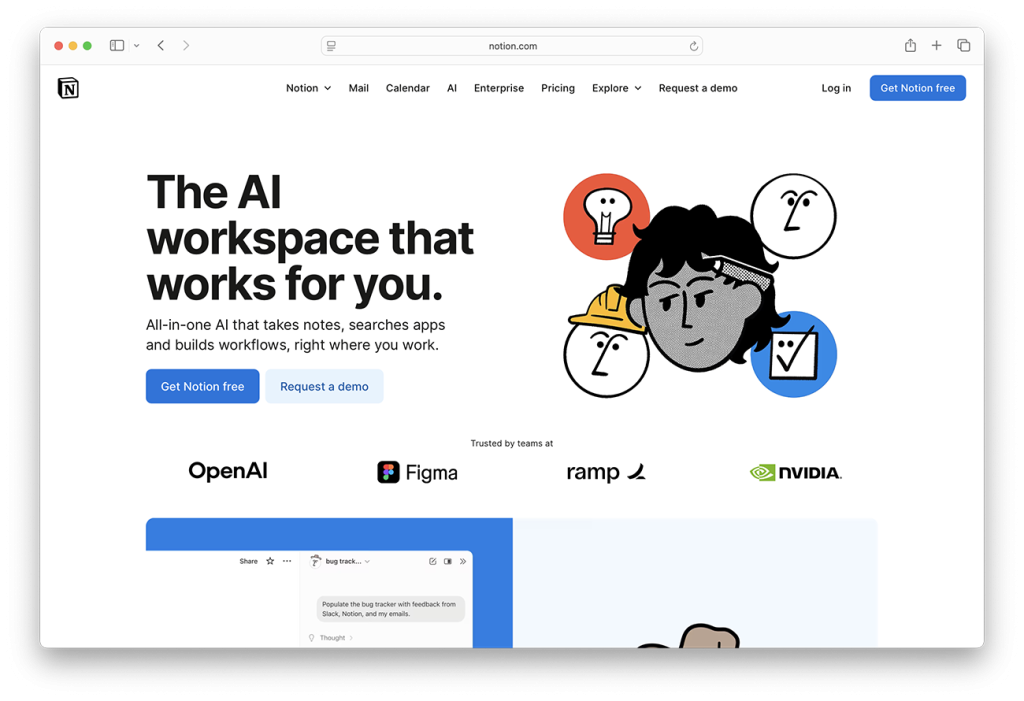
    Notion has evolved from a note-taking app into a full creative operating system. Writers use it for editorial calendars; photographers use it to track shoots; influencers manage brand deals and deliverables inside it. The AI layer makes it genuinely time-saving — it can summarise meeting notes, draft content outlines, or sort long research documents into themes with a single command. The real power lies in structure: building your own dashboard means you never lose the thread between ideas, deadlines, and income.

    2. Descript — Edit Like You’re Writing

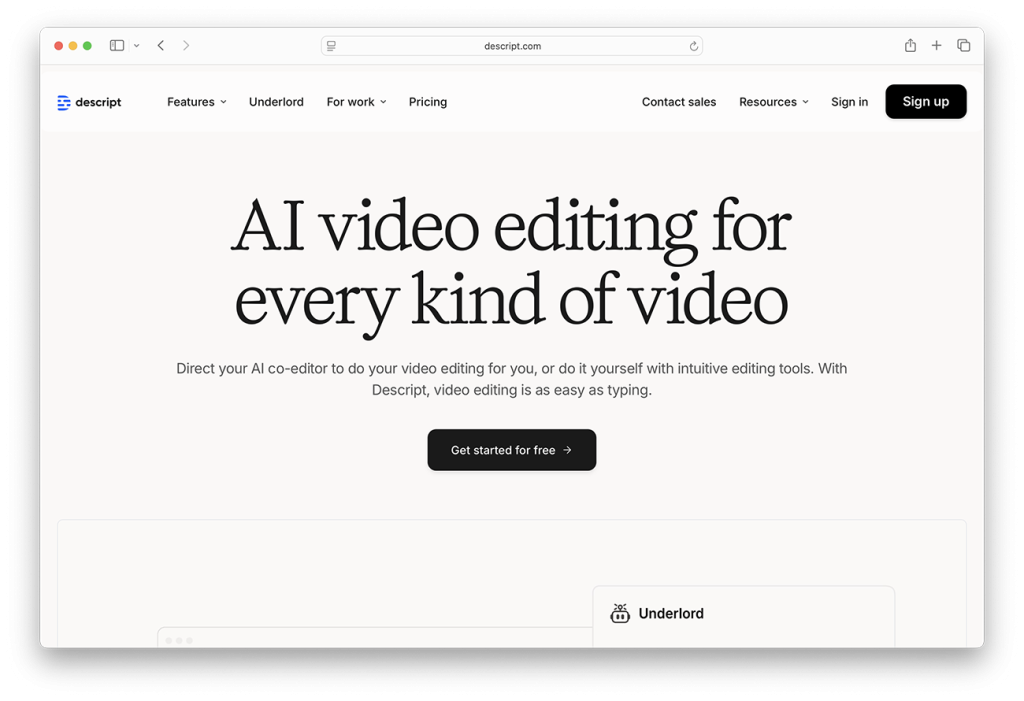
    Descript turns video and audio editing into a text-based workflow. Record or import your content, and it automatically generates a transcript you can cut, rearrange, or clean up just by editing the words. It’s a revelation for podcasters, YouTubers, and social editors who want to move fast without compromising polish. The AI overdub and filler-word removal save countless hours in post-production.

    3. Metricool — Analytics Without the Headache

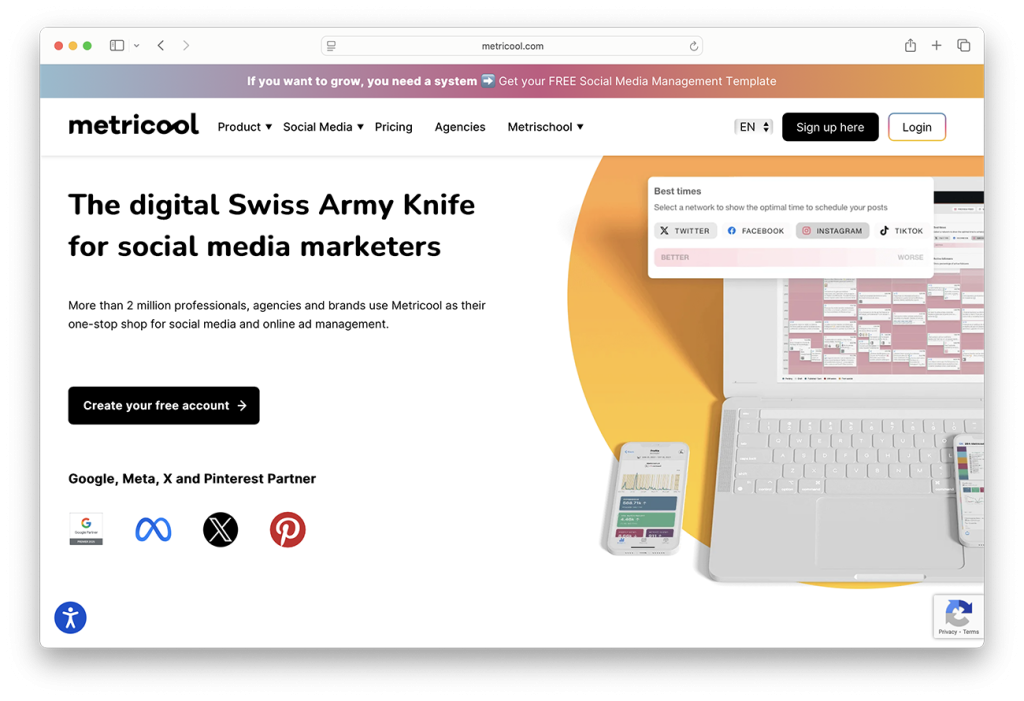
    Creators spend hours trying to understand what’s working across their platforms. Metricool brings everything — Instagram, YouTube, TikTok, X, websites, and ads — into one clean dashboard. Schedule posts, track engagement, and get reports that actually make sense without opening a dozen tabs. It’s become the go-to for freelancers and small teams who need proper insights without enterprise bloat.

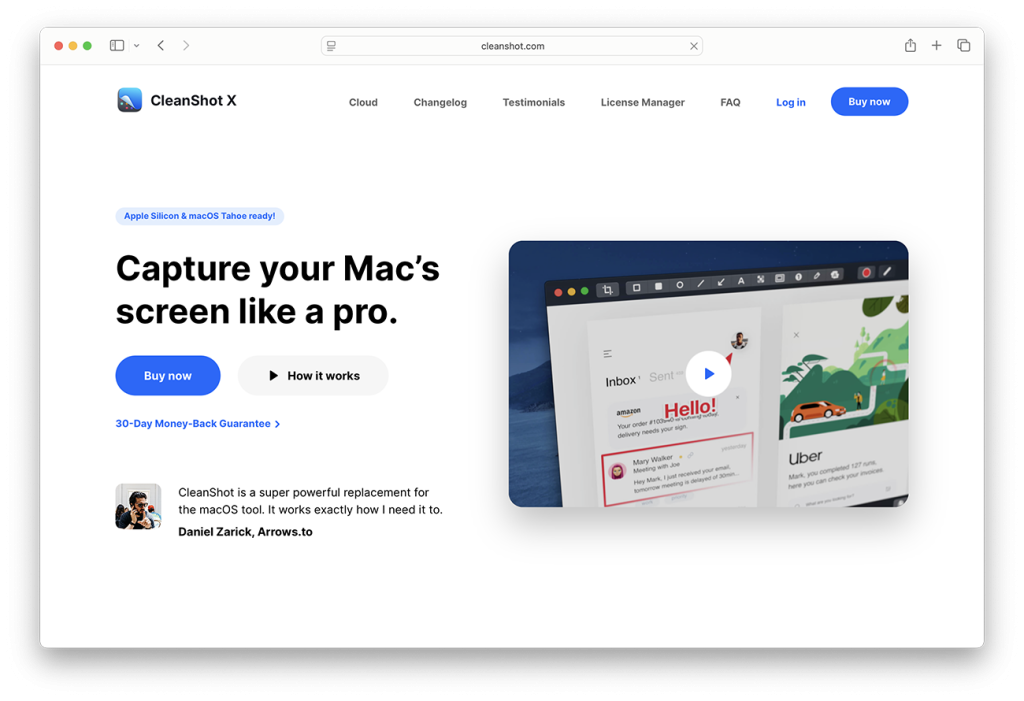
    4. CleanShot X — Screen Captures, Simplified

    For anyone on Mac, CleanShot X makes screen capture as fast and frictionless as it should be. Snap annotated screenshots, record clean screen videos, and instantly share or store them in the cloud. It’s invaluable for building tutorials, sharing design notes, or just keeping your workspace tidy. You won’t realise how often you use it until you’re without it.

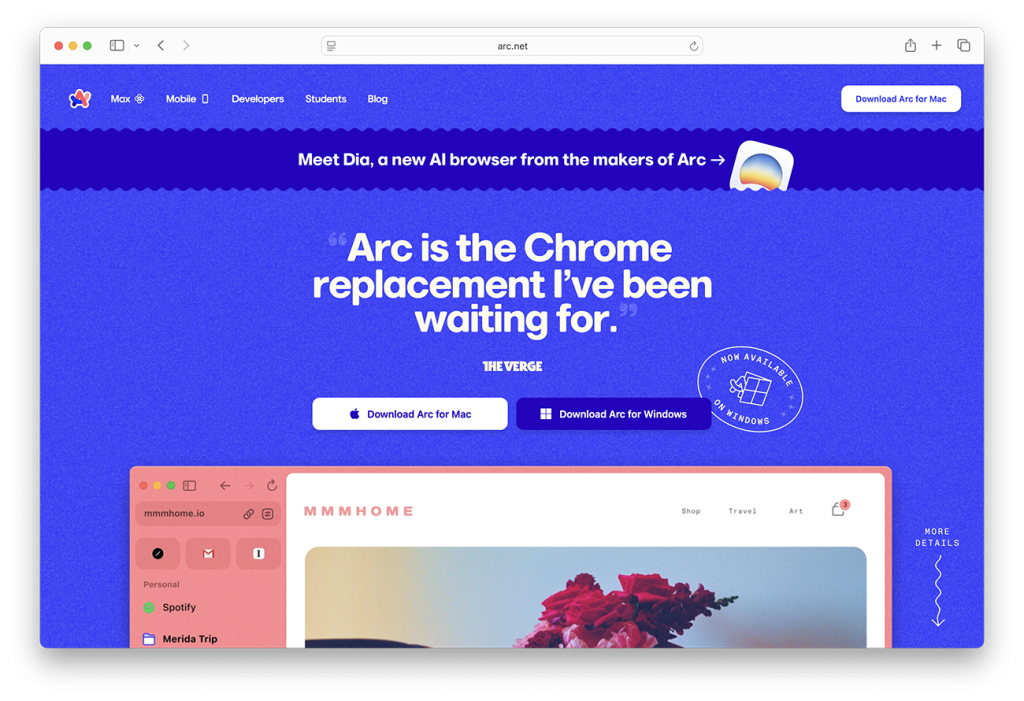
    5. Arc Browser — A Better Way to Be Online

    Arc rethinks the browser for how creators actually work — dozens of tabs, multiple projects, endless research. It replaces chaos with focus through a vertical sidebar, spaces for different projects, and built-in tools like split view, notes, and media controls. It’s lightweight, private, and quietly brilliant for anyone whose work happens inside a browser.

    The Efficiency Advantage

    None of these tools are silver bullets. They won’t write posts for you or guarantee followers. But they’re built on a different principle: making the creative process less wasteful. Each removes a layer of friction — the five-minute tasks that silently drain whole afternoons.

    The creator economy rewards consistency, not chaos. The more time you reclaim from logistics, the more you can spend on the work that grows your voice, your audience, and your business. Tools can’t replace focus, but the right ones can give you more of it.

  • How Substack Writers Can Build Audiences Without Paying for Visibility

    How Substack Writers Can Build Audiences Without Paying for Visibility

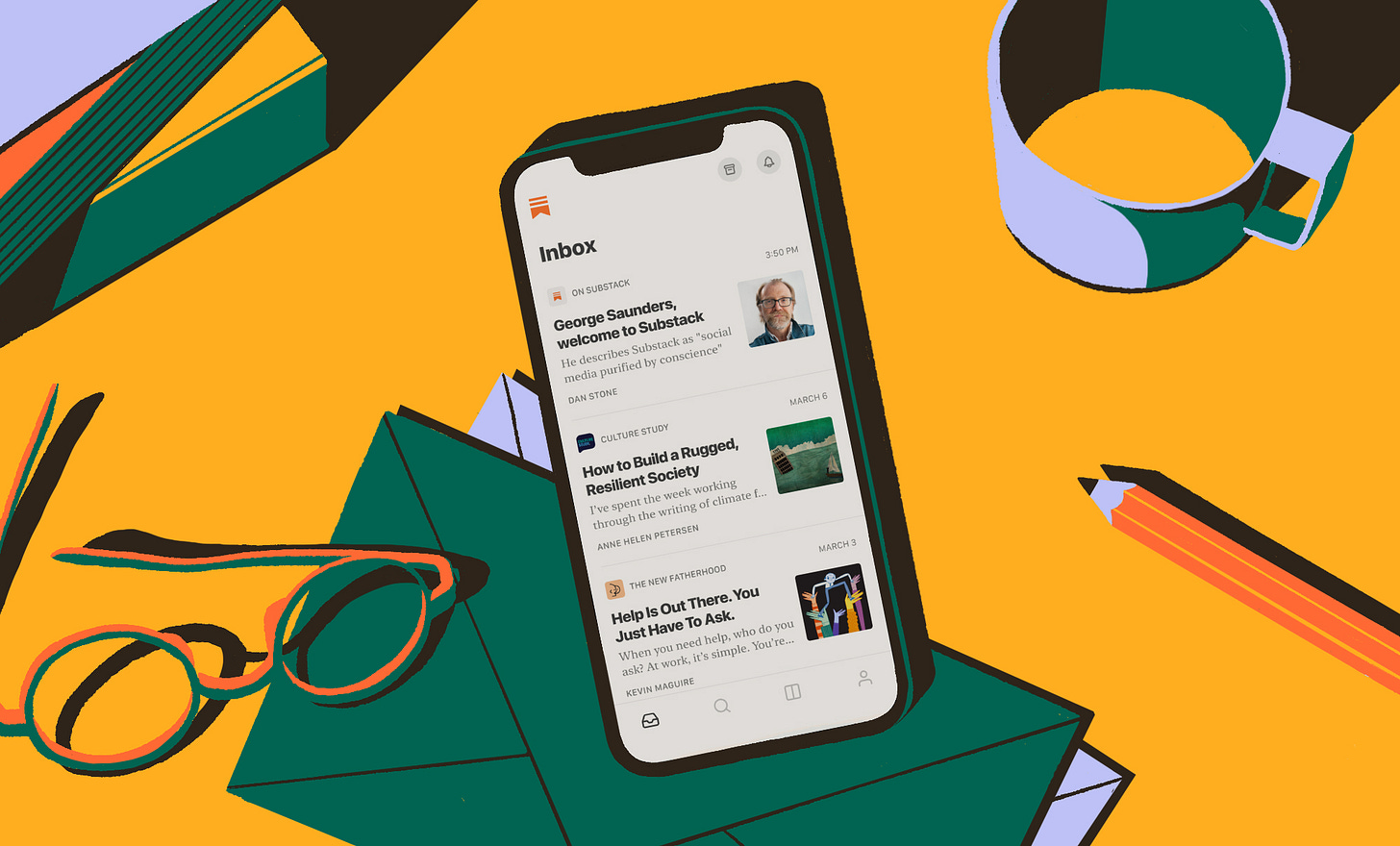
    When Substack first gained traction, it was hailed as a lifeline for independent writers: a platform where newsletters could bypass algorithmic feeds, connect directly with readers, and generate revenue through subscriptions. But as the platform has grown — now hosting hundreds of thousands of publications — discovery has become one of its most persistent challenges. Substack offers paid promotion tools, but not every writer wants (or can afford) to invest in ads to reach readers. Growth without a budget remains both necessary and possible.

    Start with the writing, not the platform

    Readers don’t subscribe because of the mechanics of Substack. They subscribe because the writing offers clarity, perspective, or utility they can’t find elsewhere. Growth begins with sharpening the voice: a distinct angle, a rhythm of publishing, and an ability to frame ideas in ways that matter to a specific audience. Consistency matters less than predictability. Weekly is fine, monthly is fine — so long as the cadence is steady enough to build trust.

    Borrow audiences strategically

    Most successful newsletters don’t grow in isolation. Writers leverage overlapping communities — Twitter threads linking back to essays, guest posts on other newsletters, podcast appearances, even traditional op-eds. Cross-pollination works because it taps into audiences already primed to read. An early-stage Substack benefits more from being recommended by three peers in its niche than from paying for anonymous clicks.

    Make the archive work for you

    One overlooked advantage of Substack is the permanent archive. Each post has a URL that can circulate far beyond its send date. Treat the archive as evergreen publishing: update older posts with context, resurface them on social media, and link internally within your own essays. Search visibility may not be as powerful as a dedicated blog on WordPress, but Substack posts do index in Google, and long-tail discovery remains a real source of organic growth.

    Lean on recommendations and networks

    Substack’s own recommendation feature, while imperfect, still provides value. Writers with even modest subscriber lists can generate meaningful referrals, especially within tightly defined niches. Beyond the platform, independent networks of newsletter writers (informal Slack groups, Discord servers, co-promotion collectives) are quietly effective. The key is reciprocity: the best growth often comes from communities where writers actively support each other rather than chasing one-way promotion.

    Don’t ignore design and accessibility

    While content rules, presentation helps. Clear subject lines, accessible formatting, and thoughtful design reduce friction. Readers who enjoy receiving your work are more likely to forward it to others — one of the oldest and most reliable forms of organic growth. Substack offers limited customisation, but small details — images, typography, readability on mobile — make an outsized difference in shareability.

    Growth without shortcuts

    The temptation with any platform is to search for hacks. Substack is no exception. But the newsletters that endure, and the ones that generate revenue, tend to grow steadily rather than virally. They are built on a compound model: one reader forwarding to another, one post being cited by a larger outlet, one collaboration leading to a new audience. None of these require an ad budget, but they do require persistence and clarity of intent.

    The Brief will continue to track how discovery evolves on Substack and other newsletter platforms. For now, the message is straightforward: growth without payment is slower, but it builds an audience that is more loyal, more invested, and more likely to stay.

  • Why The Brief Exists

    Why The Brief Exists

    The term “creator economy” has become shorthand for something sprawling and hard to define. It encompasses the Substack writer publishing twice a week to a fiercely loyal but modest readership; the podcaster stitching together sponsorships while editing from their kitchen table; the lifestyle blogger who still publishes through a traditional CMS but finds most of their audience through Instagram; the gamer who streams to a few hundred regulars every evening; the model with thousands of paying subscribers on OnlyFans; and the influencer working with global brands, their reach measured in millions.

    These people rarely think of themselves under the same umbrella, but their challenges overlap. They are each trying to carve out a sustainable space on the internet, to balance creative integrity with the realities of growth, to deal with opaque platforms and unpredictable algorithms. And while the infrastructure for this economy has expanded rapidly — new apps, new tools, new ways to monetise — the knowledge required to navigate it remains scattered. One article here, one tip thread there, a podcast interview tucked behind a paywall, a rumour passed between creators about a coming platform change.

    The Brief exists to address this gap. It is designed as a reference point for anyone building a presence online, whether they identify as an influencer, an independent journalist, a blogger, a cam model, or something else entirely. What unites these groups is a need for clarity: how to understand the landscape, how to grow within it, and how to protect the value of their work.

    The aim is not to offer shortcuts or hype. There are enough empty promises of “overnight growth hacks” in circulation. Instead, The Brief will provide analysis rooted in evidence, guidance shaped by practice, and resources that can be acted upon immediately. It will take the perspective that creators are entrepreneurs, operating small but ambitious businesses within a chaotic and constantly shifting marketplace.

    Coverage will stretch across both the fundamentals and the frontiers. Expect practical posts on subjects like negotiating brand partnerships, building subscriber communities, or maximising the reach of a single piece of content. Alongside these will be essays on the broader forces shaping the creator economy: the cultural implications of platform design, the consequences of algorithmic shifts, the lessons traditional media can still offer, and the ways in which creators are setting the pace for industries far larger than their own.

    Upcoming posts will tackle questions such as:

    • How Substack writers can build audiences without paying for visibility
    • The free tools every creator should be using in 2025
    • What OnlyFans can teach about community-building and loyalty
    • How to read the signals behind algorithm changes
    • Why newsletters, blogs, and podcasts still matter in an era dominated by short-form video

    The Brief is intended to grow alongside its readers. This first piece is not a mission statement carved in stone, but a declaration of intent. As the platforms evolve and the business of being a creator continues to mature, so too will the scope of this site. What will remain consistent is the perspective: that creators deserve serious, reliable coverage, and that the work of building online is not a side pursuit but a profession.

    Welcome to The Brief. A guide, a reference point, and — hopefully — a voice of clarity in a space that too often confuses speed with substance.