Influencer marketing has matured into a central pillar of brand strategy, yet its failures remain some of the most instructive. When a campaign collapses, the problems rarely stem from a single misstep.
Misaligned values, careless vetting, rushed approvals, or a basic misunderstanding of how an audience works — these are the fault lines that show up again and again. The following cases illustrate how fragile the relationship between creator, brand, and community can be, and what smart creators should take away from each.
The Oversight Problem: When a Creator’s Past Resurfaces
Brands still underestimate the permanence of online behaviour. Several high-profile partnerships have derailed when a creator’s old posts were surfaced mid-campaign — sometimes hours after a launch. The issue isn’t simply “old tweets”; it’s the sense of negligence. When a brand appears unaware of a creator’s public history, audiences read it as a lack of due diligence, and the creator is left carrying the fallout.

Case Study: Laura Lee’s 2018 Morphe Collaboration Collapse
Beauty influencer Laura Lee lost multiple brand partnerships — including a planned expansion of her collaboration with Morphe — after old racist tweets resurfaced during the 2018 YouTube beauty-community fallout. The posts had been public for years, yet no brand caught them during vetting. When they finally emerged, the backlash was swift: products were pulled, campaigns were paused, and Lee disappeared from YouTube for nearly a month.
Takeaway for creators: every partnership is a transparency exercise. You should know what a brand is likely to uncover — and what you may need to address proactively — long before the contract is signed.
The Misalignment: When a Brand Chooses the Wrong Spokesperson
There are countless examples of brands choosing influencers whose lifestyles conflict directly with the product they’re promoting: wellness creators endorsing sugary drinks; sustainability voices fronting fast-fashion hauls; luxury fashion houses pairing with influencers known more for controversy than culture. These partnerships tend to unravel quickly because audiences recognise the disconnect immediately. Authenticity isn’t a buzzword here; it’s a basic market expectation.
Case Study: Kendall Jenner & Pepsi’s Protest Commercial (2017)
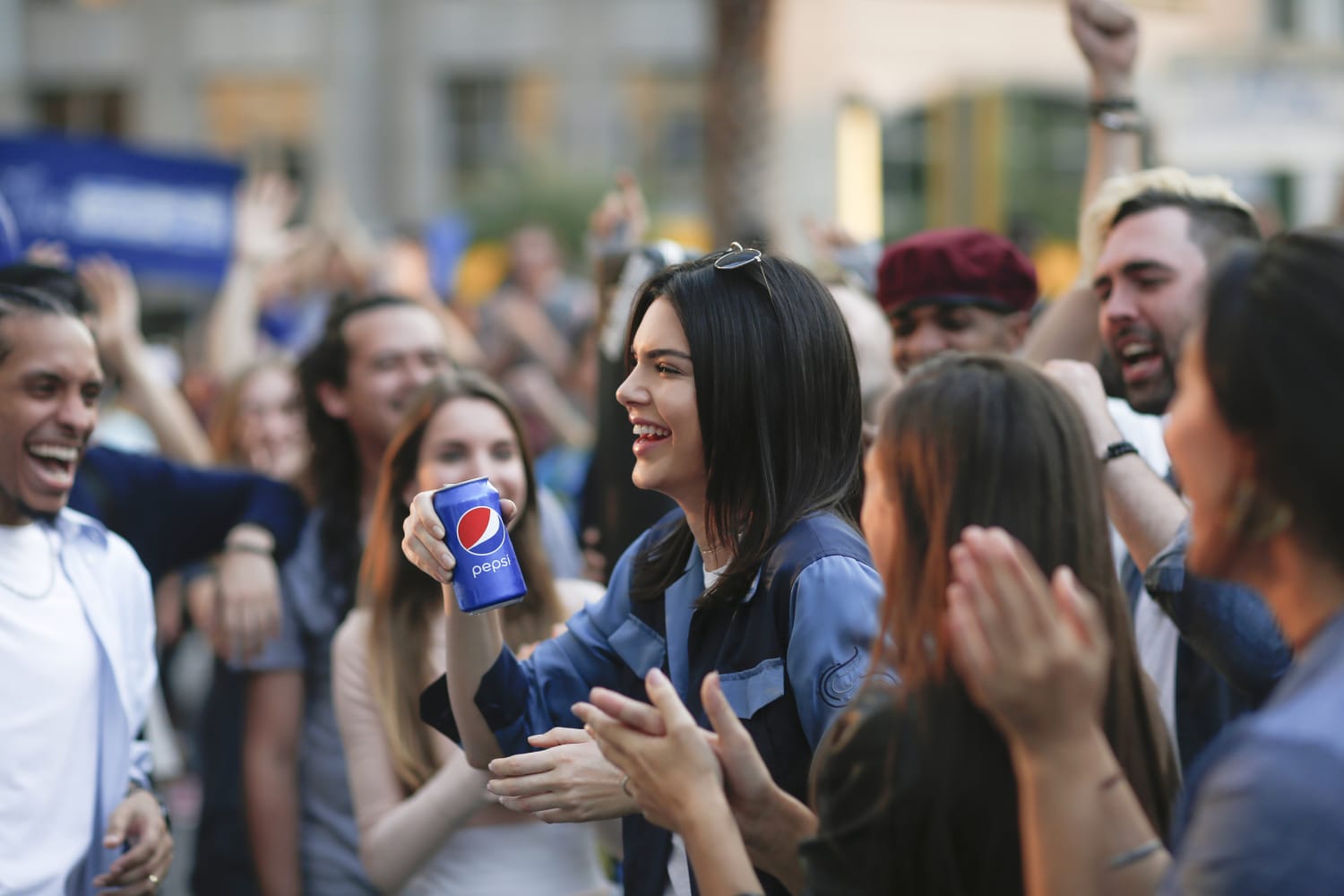
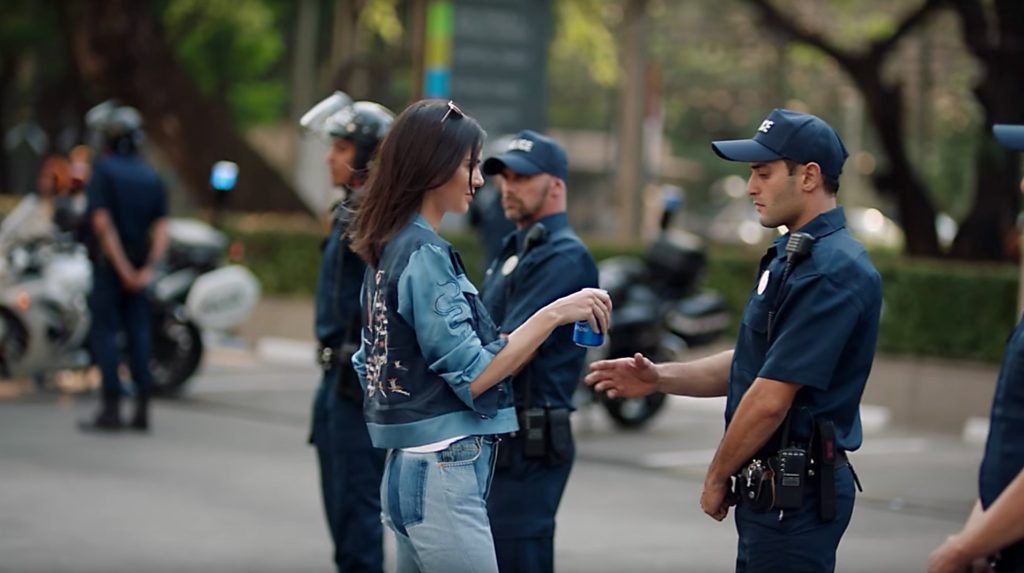
Few campaigns illustrate misalignment more clearly than Pepsi’s 2017 protest-themed commercial starring Kendall Jenner. Jenner — whose public persona is firmly linked to fashion and entertainment rather than activism — was placed at the centre of a politically charged narrative. The ad was condemned across the political spectrum for trivialising social justice movements, and Pepsi withdrew it within 24 hours.
Takeaway for creators: if a deal feels off, it usually is. Misaligned partnerships damage long-term credibility far more than they help short-term income.
The Tone-Deaf Campaign: When a Brief Ignores Reality
Campaigns have stumbled for reasons as simple as bad timing — launching aspirational travel content in the middle of a natural disaster — or as complex as cultural insensitivity baked into the creative concept. Global brands still make these mistakes, and creators often end up absorbing the public criticism because they are the visible face of the initiative.

Case Study: UK Influencers’ Branded Dubai Trips During the 2021 Lockdown
In early 2021 — during one of the UK’s strictest COVID-19 lockdowns — a wave of British influencers flew to Dubai for sponsored content shoots with fashion and fitness brands including PrettyLittleThing, Oh Polly, Bo+Tee, and others. While the campaigns themselves were ordinary (swimwear hauls, gym-wear shoots, resort lifestyle content), the context was not: millions of people were prohibited from travelling, many hadn’t seen family for months, and the news cycle was dominated by ICU overcrowding.
The backlash was immediate. The influencers were accused of exploiting a “work trip” loophole to holiday abroad, and the brands themselves were criticised for encouraging non-essential travel at a moment when the public mood was deeply sensitive. Several creators posted apologies or clarifications; some deleted the content entirely. Airlines, hotels, and tourism partners distanced themselves. UK media ran wall-to-wall coverage for weeks.
Takeaway for creators: read briefs critically. If the timing, message, or cultural framing feels disconnected from reality, raise the concern early. Silence is rarely rewarded when things go wrong.
The Transparency Crisis: When #ad Isn’t Enough
FTC rules are clear, but implementation remains inconsistent. Several creators have faced backlash not because they hid a partnership, but because the disclosure felt buried — a soft hashtag, a vague caption, an implied collaboration. Audiences read this as evasiveness, not ambiguity. And once trust slips, it rarely returns to baseline.
Case Study: Fyre Festival & the FTC’s Disclosure Warning (2017)
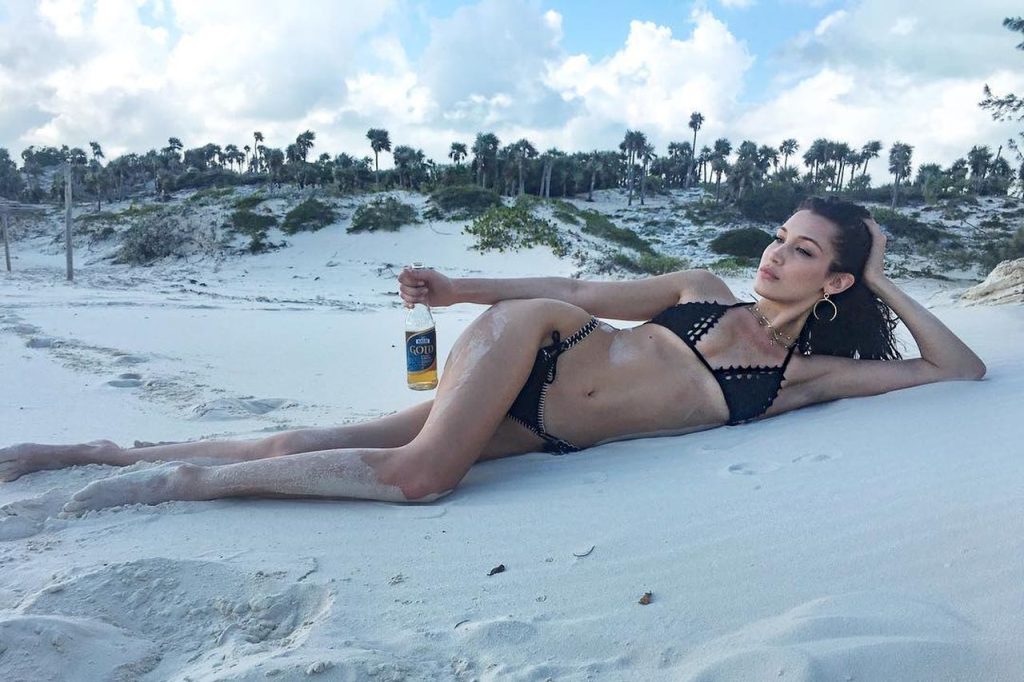
Influencers including Bella Hadid, Emily Ratajkowski, and a wave of mid-tier creators promoted Fyre Festival without any disclosure that they were paid. After the event collapsed, the FTC issued guidance explicitly referencing the incident: disclosures must be clear, conspicuous, and unambiguous. Several creators faced public criticism not because they promoted the festival, but because the posts appeared intentionally opaque.
Takeaway for creators: err on the side of clarity. A well-disclosed partnership is rarely the problem; a poorly disclosed one almost always is.
The Brand Misstep: When a Company Uses Influencers to Clean Up Its Own Controversy
Another recurring scenario: a brand facing public scrutiny turns to influencers to shift the narrative. Creators who sign on often underestimate how quickly audiences recognise damage control. These campaigns tend to backfire, dragging creators into controversies they didn’t create.

Case Study: Shein’s 2023 “Factory Tour” with Influencers
In 2023, Shein flew a small group of US influencers to China for a curated, highly controlled factory tour. The aim was to counter widespread criticism of labour conditions and environmental practices. The move backfired immediately: the influencers were criticised for appearing to act as brand representatives rather than independent reviewers, and the content was widely mocked as propaganda.
Takeaway for creators: evaluate the wider context. A partnership with a troubled brand may pay well, but it can cost far more in reputation.
What Smart Creators Learn From These Failures
Creators who navigate partnerships well tend to share a few habits: they vet brands with the same scrutiny brands apply to them; they decline briefs that feel rushed or tone-deaf; they protect their audiences’ trust as a professional asset; they ask for clarity, context, and control before they commit. The most successful creators aren’t immune to mistakes, but they build systems that prevent them.
- Know your own archive. Treat old posts, videos, and tweets as part of your professional footprint. If something could surface later, address it before a brand or audience does.
- Assess brand–creator fit as critically as brands assess you. A well-paying campaign can still erode long-term trust if the product or narrative contradicts how your audience sees you.
- Ask about timing. When content goes live matters as much as what it says. Creators should insist on knowing the publish window — and should speak up if the context makes the campaign tone-deaf.
- Demand clarity on creative control. If a brief feels politically charged, culturally sensitive, or overly polished, request visibility on the final cut or withdraw early.
- Disclose cleanly, not minimally. A disclosure that blends into a caption does more damage than no disclosure at all. Use clear language at the top, not buried hashtags.
- Look beyond the fee. If a brand is facing reputational issues, your involvement becomes part of the crisis-management narrative. Decide whether that’s a role you want.
- Build a pre-flight checklist. Before accepting a partnership, review alignment, audience fit, timing, platform rules, disclosure requirements, potential backlash triggers, and long-term reputational risk.
- Treat your audience as an asset, not a variable. If a collaboration feels like it might strain their trust, it usually will — and trust is harder to rebuild than to protect.