The Brief.

The business of content.

Tag: Self-Publishing

  • How Much Do Substack Writers Actually Make?

    How Much Do Substack Writers Actually Make?

    The platform’s success stories are real. The median is not what you think.

    Substack has become the go-to symbol of the independent writer’s dream. Quit the newsroom, launch a newsletter, build a direct relationship with your readers, and get paid. The pitch is clean, the case studies are compelling, and the platform’s growth numbers — over 35 million paid subscriptions as of 2024 — lend it credibility. But the headline figures tend to obscure a more complicated picture. How much Substack writers actually make depends on factors the platform’s marketing rarely emphasises: audience size, niche, pricing, and the years of trust-building that typically precede any meaningful income.

    The numbers at the top

    Substack’s most visible earners are genuinely impressive. Heather Cox Richardson’s Letters from an American reportedly generates over $5 million annually. Matt Taibbi’s Racket News, Glenn Greenwald’s System Update, and Judd Legum’s Popular Information are estimated to earn seven figures each. The company’s own data suggests that its top ten writers collectively earn more than $25 million per year.

    These figures are real, but they represent a vanishingly small percentage of the platform’s total publishers. Richardson, Taibbi, and Greenwald arrived on Substack with massive pre-existing audiences — built over decades in mainstream media. Their Substack income is less a product of the platform than a transfer of loyalty from one medium to another.
    What the middle looks like

    Substack takes a 10% cut of subscription revenue, which means a writer charging $10 per month needs roughly 100 paid subscribers to clear $900 monthly after fees — before tax. That’s a liveable supplement in some markets; it’s not a salary.

    The platform does not publish median earnings data, but independent analyses and creator surveys paint a consistent picture. The majority of Substack writers with paid tiers earn under $1,000 per month. A meaningful cohort — those with between 500 and 2,000 paid subscribers — earn enough to treat it as serious secondary income. A much smaller group, typically those with 5,000 paid subscribers or more, earn enough to write full-time.

    To put that in concrete terms: 1,000 paid subscribers at $10 per month generates $9,000 monthly after Substack’s cut — around $108,000 annually before tax. That’s the threshold most full-time Substack writers point to as the floor for sustainability. Getting there typically takes two to four years of consistent publishing.

    What actually drives earnings

    Niche matters more than most new Substack writers expect. Finance, politics, and culture newsletters consistently outperform general interest writing because readers in those categories have demonstrated willingness to pay for information they act on. A financial newsletter with 800 paid subscribers can out-earn a personal essay newsletter with 3,000 because the perceived value of the content — and the conversion rate from free to paid — is higher.

    Pricing is the second lever. Many writers default to $5 or $7 per month out of nervousness, leaving significant revenue on the table. The most successful Substack operators tend to charge $10 to $15 monthly, or $100 annually, and offer founding memberships at $200 or more for readers who want to signal deeper support. Higher prices do not always mean fewer subscribers — in many niches they signal quality and attract more committed readers.

    Free-to-paid conversion is the third factor. Most Substack newsletters convert between 3% and 10% of free subscribers into paying ones. A writer with 10,000 free subscribers converting at 5% has 500 paid readers — generating around $4,500 per month at $10. The same list converting at 8% generates $7,200. Building that conversion rate is less about tactics than about trust: consistent publishing, a clear editorial identity, and content that feels worth paying for.
    Case studies: three different paths

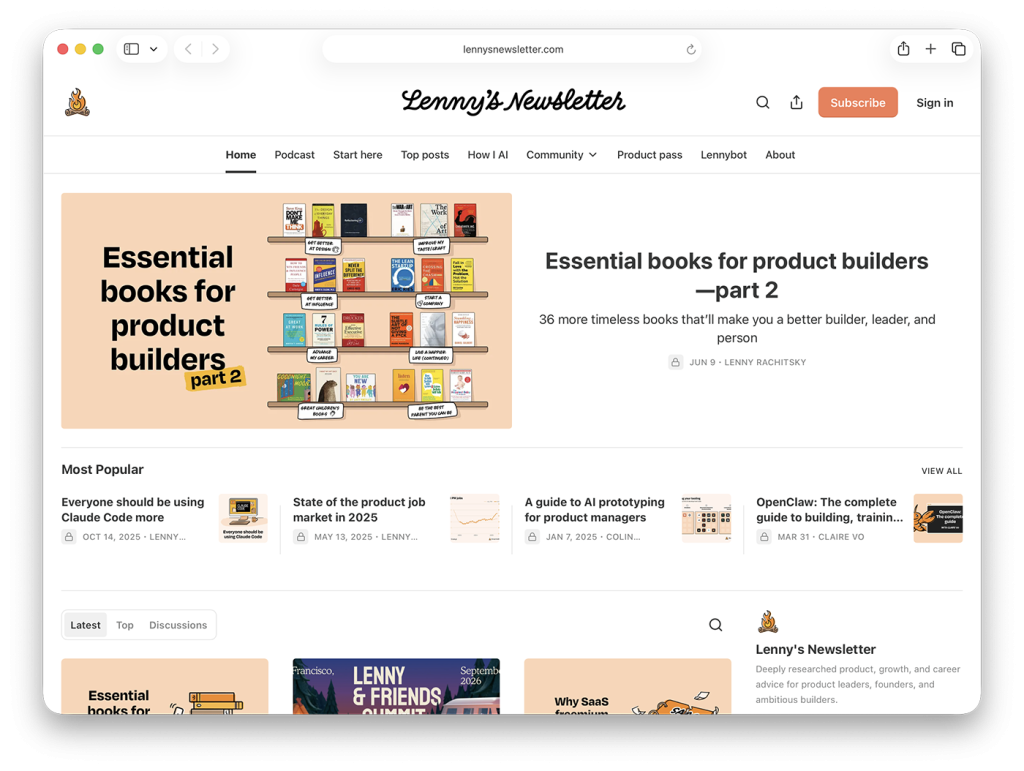
    Lenny Rachitsky spent years as a product manager at Airbnb before launching Lenny’s Newsletter in 2019. By targeting a specific professional audience — product managers and startup operators — and publishing consistently useful, experience-backed content, he built one of Substack’s most successful newsletters. He reached 500,000 subscribers and crossed seven figures in revenue within four years. His path illustrates how professional authority, combined with niche focus, accelerates the timeline significantly.

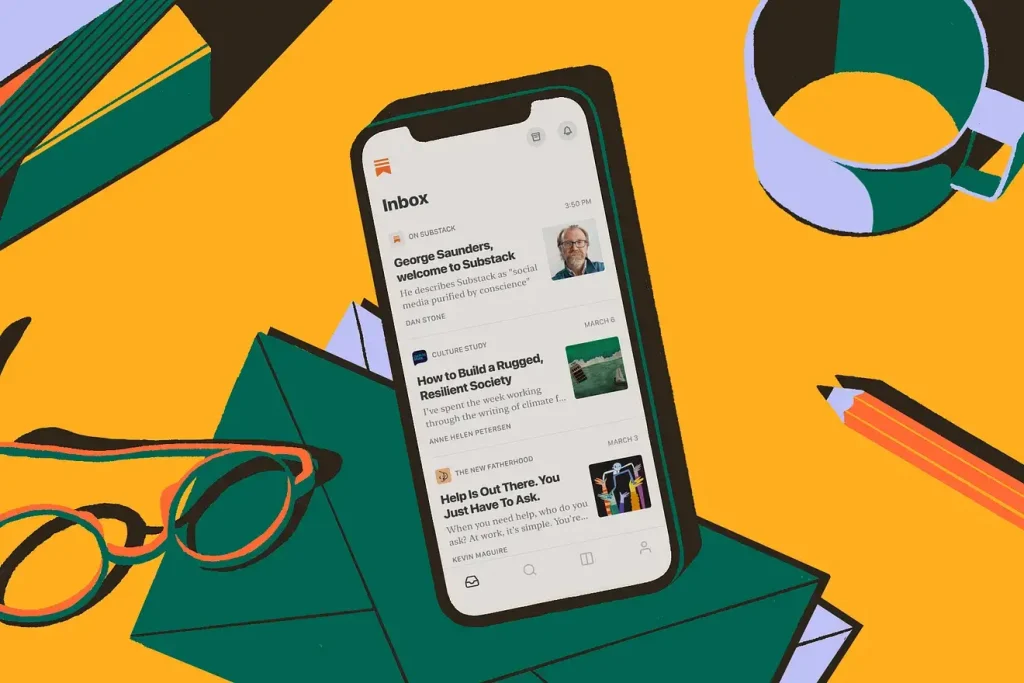
    Anne Helen Petersen came from BuzzFeed with an established readership and a clear cultural beat — work, burnout, and American life. Her newsletter Culture Study converted a substantial portion of that existing audience quickly, reaching tens of thousands of paid subscribers. Her case demonstrates that platform migration, when done with an engaged existing audience, can compress years of list-building into months.

    Edwin Dorsey launched The Bear Cave in February 2020 as a final-year economics student at Stanford, with no media platform and no existing audience. His newsletter focuses on corporate misconduct — short-selling analysis and investor fraud — a niche narrow enough to attract highly motivated readers willing to pay. He cold-emailed college investment clubs across the country and DM’d his entire Twitter following individually to build his initial list. Within months of launching a paid tier, he crossed $100,000 in annual revenue. By 2023 he was generating over $500,000 per year from around 1,300 paid subscribers at a premium price point of $440 annually. His case is the clearest proof that niche authority, not audience size, is the real driver of Substack income.

    What Substack doesn’t tell you

    The platform has a structural incentive to showcase its biggest earners. Those stories drive sign-ups, which drives platform revenue. What gets less attention is the volume of newsletters that launch, publish inconsistently for six months, and quietly stop. Substack itself has no reliable published data on abandonment rates, but the pattern is visible — browse any niche and you’ll find dozens of newsletters whose last post was eighteen months ago.

    The writers who succeed share a few consistent traits: they publish on a schedule they can sustain, they have a specific enough focus that readers know exactly what they’re getting, and they treat the transition from free to paid as a business decision rather than an emotional one.

    Substack works. But it works on a longer timeline, and for a narrower set of niches, than its most prominent success stories suggest.

    Key takeaways

    The top earners on Substack are outliers, not benchmarks — most arrived with existing audiences built elsewhere. Median earnings are modest, but 500 to 1,000 committed paid subscribers represents a viable secondary income for most writers. Niche focus, consistent publishing, and confident pricing drive conversion more reliably than audience size alone. Full-time Substack income is achievable, but realistically takes two to four years to build from scratch — and requires treating it as a business from day one.

  • The Ultimate Guide to Self-Publishing Platforms That Pay Creators

    The Ultimate Guide to Self-Publishing Platforms That Pay Creators

    The creator economy has reshaped the publishing landscape. The old pathways — agents, commissions, traditional media hierarchies — still have weight, but they no longer hold a monopoly on opportunity. Today, writers, educators, artists, podcasters, photographers, adult creators, and niche experts are building sustainable income streams through direct-publishing platforms that give them control over content, cadence, and audience relationships.

    Self-publishing is no longer a fallback. It’s a business model — one rooted in independence, data ownership, and the freedom to build without permission. This guide explores the platforms actually paying creators, what they offer, where they differ, and how to choose the right model for your work.

    First Glance

    Subscription Platforms

    Recurring revenue is the closest thing creators have to stability. Subscription models suit those producing regular work and cultivating loyal audiences.

    Substack

    Ideal for writers, journalists, and commentators.

    – Email-first publishing
    – Paid newsletter subscriptions, founding memberships
    – Podcast and video-friendly
    – Community tools (chat, notes)

    Strength: direct audience ownership via email
    Good for: writing-led independent media brands, niche commentary, community-driven publishing

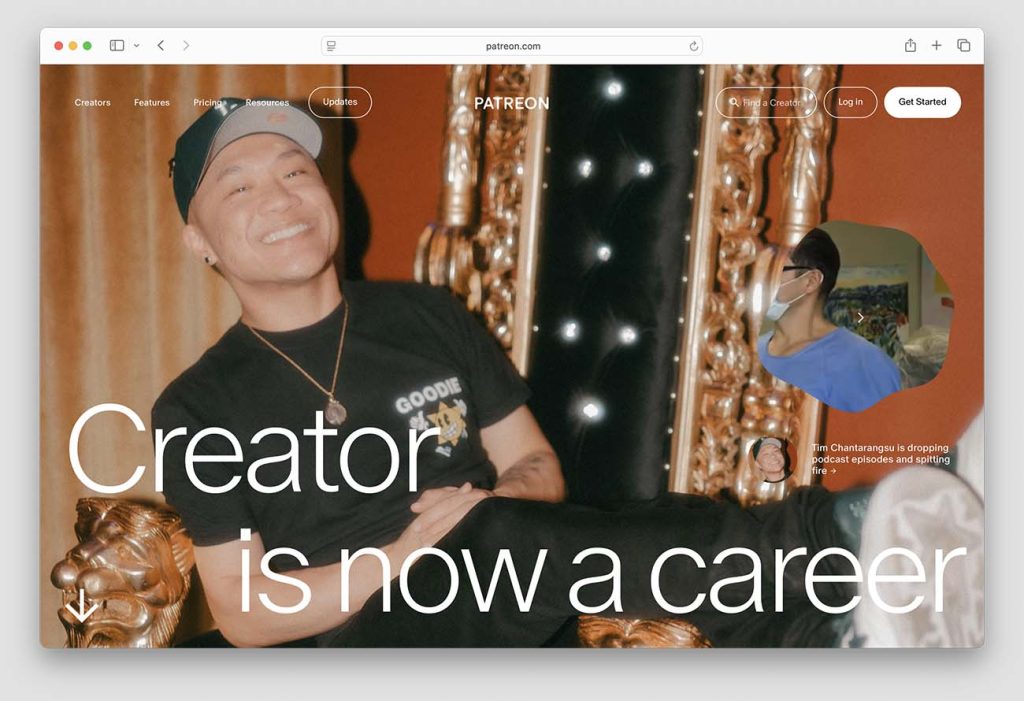
    Patreon

    One of the earliest models for recurring creator income.

    – Tiered memberships
    – Exclusive content, early access, community perks
    – Audio and video friendly

    Strength: flexible membership structures
    Good for: podcasters, educators, musicians, creators with a strong personality-led following

    OnlyFans

    Often framed narrowly, but a major economic engine for adult and wellness creators — and increasingly also for fitness coaches, entertainers, and educators.

    – Fan subscriptions
    – Pay-per-view content
    – Direct fan messaging
    – Tips and paid livestreams

    Strength: high audience conversion, direct creator-fan intimacy
    Good for: creators monetising intimacy, personality, and private-community dynamics

    Digital Product & Storefront Platforms

    For creators who prefer one-time sales, digital delivery, and asset-driven income.

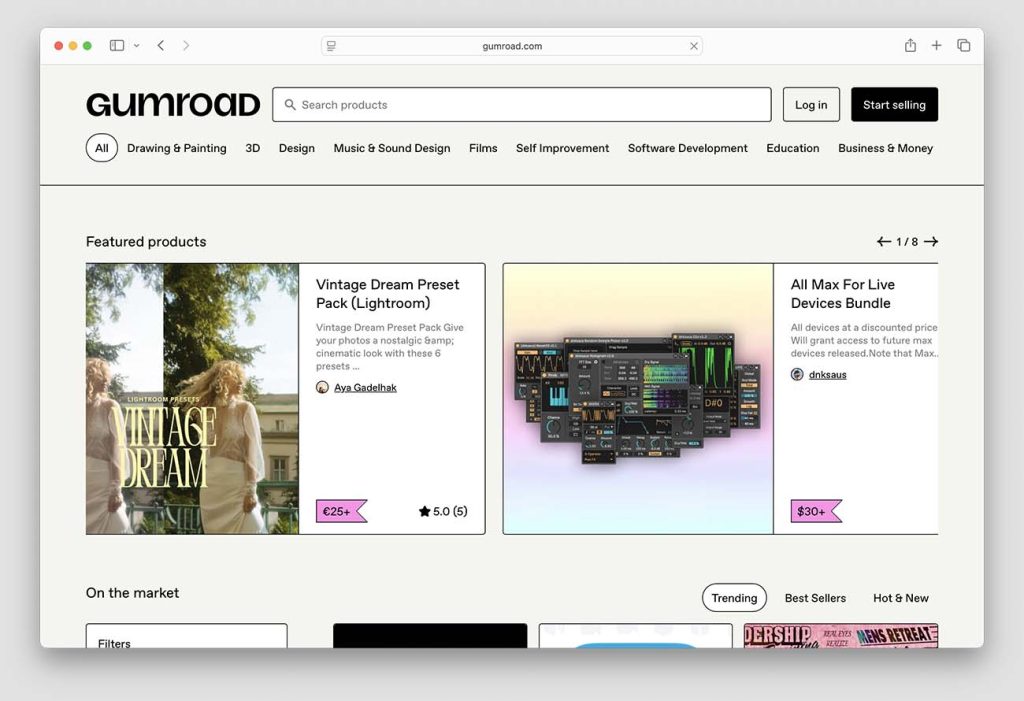
    Gumroad

    Simple, creator-first infrastructure.

    – Sell digital downloads, courses, memberships
    – Pay-once simplicity
    – No storefront complexity

    Good for: digital tools, ebooks, creative assets, templates, photography packs, indie publishing

    Ko-fi

    Creator support platform with tipping embedded into culture.

    – Donations (“buy me a coffee”)
    – Digital storefront
    – Memberships available

    Good for: artists, illustrators, independent makers, early-stage creators testing paid content

    Etsy

    No longer just crafts.

    – Digital downloads thrive (planners, fonts, Lightroom presets, guides)
    – Search-driven audience discovery
    – Known buyer intent

    Good for: visually-led creators, designers, lifestyle content, niche digital goods

    Course & Teaching Platforms

    For educators, coaches, and creators with actionable knowledge.

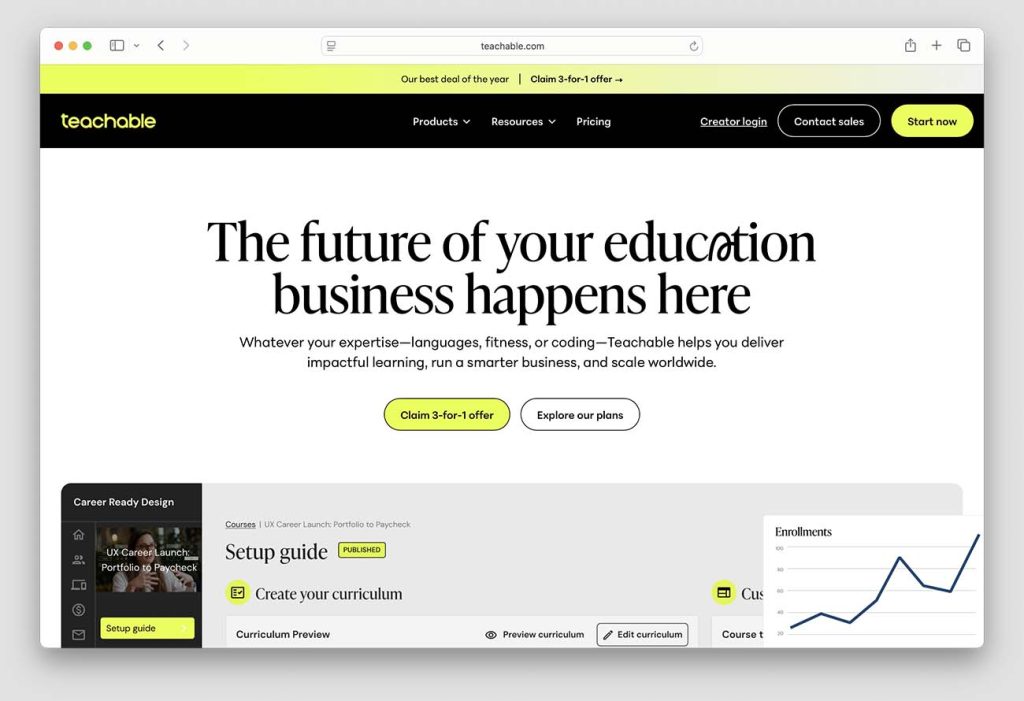
    Teachable / Thinkific

    Standalone course infrastructure.

    – Host video courses, sell bundles
    – Affiliate systems
    – Landing pages and student dashboards

    Good for: creators monetising expertise — marketing, design, fitness, language learning, technical skills

    Skillshare

    Marketplace model.

    – Creators paid via watch-time and referrals
    – Platform brings the audience

    Good for: design, illustration, writing, craft, productivity educators building top-of-funnel reach

    Screenshot

    Marketplaces & Ad-Share Platforms

    Better suited for reach-driven creators who monetise attention.

    YouTube

    The backbone of creator video income.

    – Ad revenue
    – Channel memberships
    – Merch shelf, SuperThanks, brand deals
    – Podcast push underway

    Good for: long-form storytelling, tutorials, commentary, evergreen content

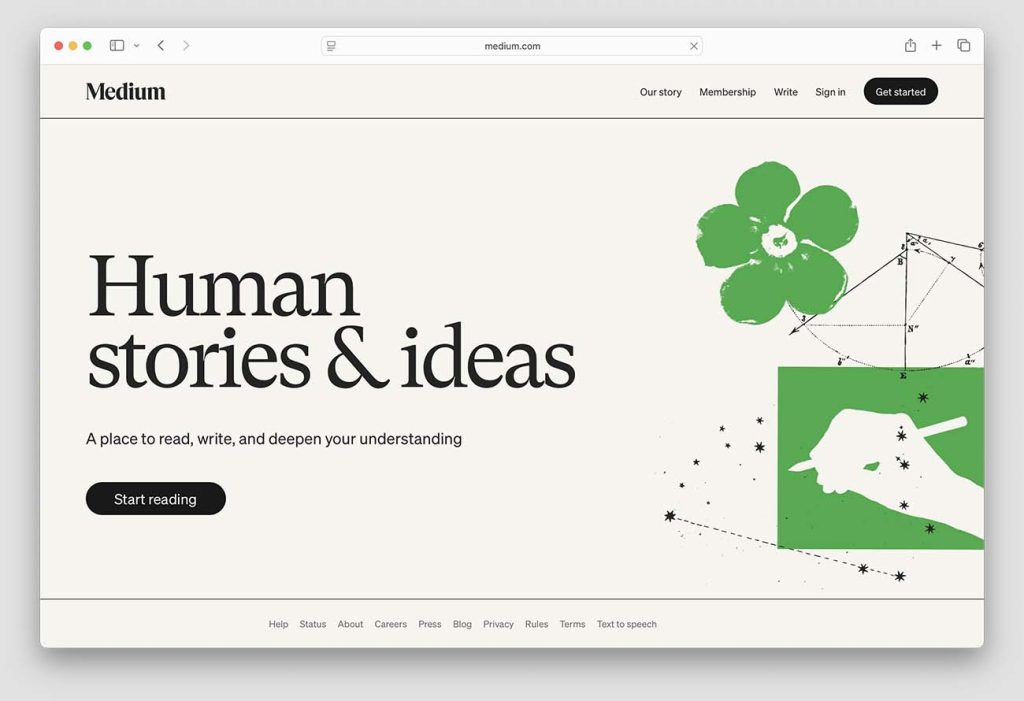
    Medium

    Writer-focused platform with a native audience.

    – Paid Partner Program based on member reading time
    – Niche publications
    – Distribution advantages when the algorithm hits

    Good for: essays, opinion, tech, wellness, personal narrative

    Screenshot

    Community-Led Spaces

    Private ecosystems where access is the product.

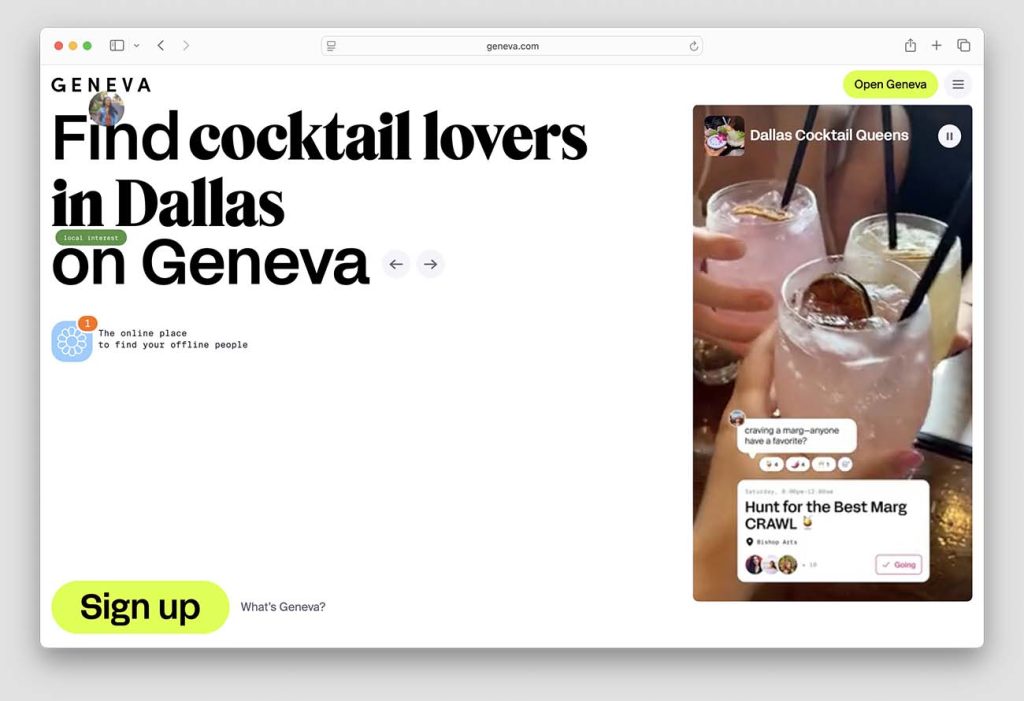
    Discord / Geneva

    Community hubs with paid entry or tiered access.

    – Membership-gated channels
    – Real-time conversation culture
    – Loyalty over scale

    Good for: niche groups, education cohorts, fan communities, accountability clubs

    Choosing a Platform: Strategic Questions

    Self-publishing isn’t about choosing the trendiest tool — it’s about choosing alignment.

    – Do you want ongoing revenue or one-off sales?
    – Is your work episodic or evergreen?
    – Where does your audience naturally gather?
    – How much control do you want over data and distribution?
    – Are you monetising information, entertainment, intimacy, or community?

    Creators who thrive treat platforms as infrastructure, not identity. Many operate with a portfolio approach: newsletter for core audience, marketplace for assets, community for depth. A sustainable publishing model is rarely one-platform-only — it’s a system.

    Erika Moen

    Case Studies: Creators Turning Platforms into Businesses

    The most successful self-publishers treat their platforms as infrastructure, not identity. These creators demonstrate how different models translate into long-term, independent income.

    Anne Helen Petersen — Substack

    A former BuzzFeed journalist, Petersen left traditional media to build Culture Study, a paid Substack newsletter exploring work, culture, and burnout. Her newsletter revenue now outpaces her former salary, and she’s expanded into podcasting and events.

    Lesson: Subject-matter authority and consistency can replace institutional backing.

    Hank Green — Patreon and YouTube

    One of the earliest YouTube educators, Green co-founded VidCon and runs a portfolio that spans science education, podcasts, and books. Patreon memberships fund niche projects free from ad pressure.

    Lesson: Diversification across platforms protects creative independence.

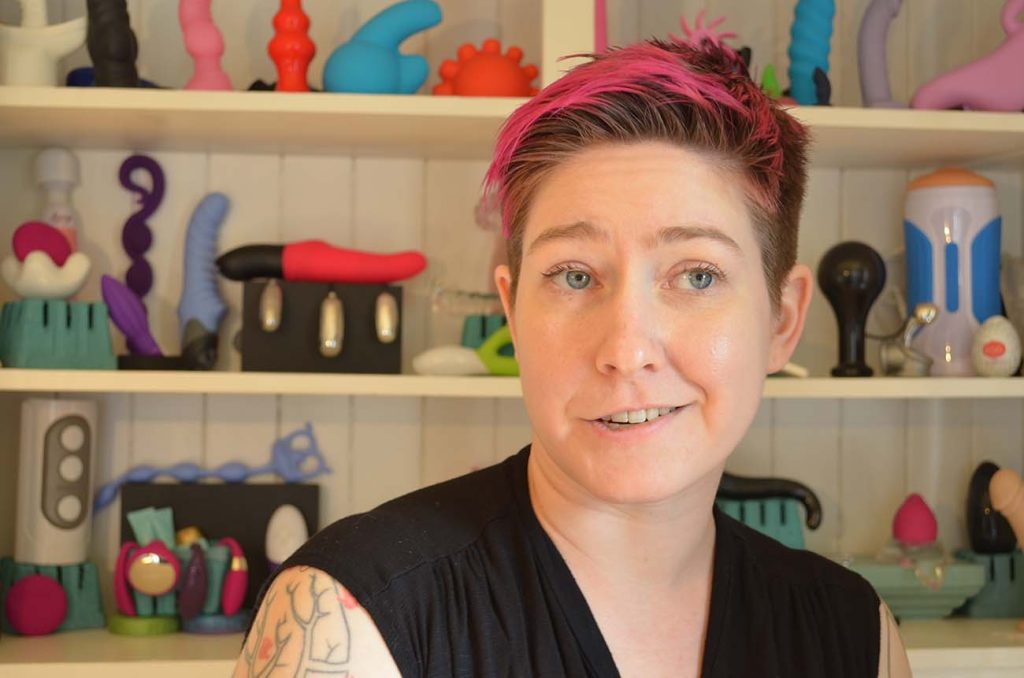
    Erika Moen — OnlyFans and Patreon

    The cartoonist behind Oh Joy Sex Toy built her audience through webcomics before adopting subscription models on Patreon and OnlyFans for adult education and art.

    Lesson: Intimacy and transparency can be a professional asset when framed within a clear ethical and creative vision.

    Ali Abdaal — Teachable and YouTube

    A former doctor turned productivity educator, Abdaal used YouTube as discovery and Teachable for conversion, building a multimillion-dollar online course business.

    Lesson: Free reach can feed high-value educational products when paired with structure and credibility.

    Traci Thomas — Podcast and Newsletter Ecosystem

    Host of The Stacks podcast, Thomas leveraged her literary community into paid newsletters, brand partnerships, and speaking events.

    Lesson: Community can be monetised laterally — through media, live experiences, and sponsorships.

    Each example underscores the same pattern: clarity of voice, audience ownership, and a willingness to evolve the business model as platforms shift.


    🔑 Key Takeaways

    💼 Self-publishing is a strategic business model, not an alternative to traditional media.

    💸 Subscription platforms like Substack, Patreon, and OnlyFans deliver recurring income and audience depth.

    🛍️ Digital storefronts such as Gumroad, Etsy, and Ko-fi work best for evergreen products and creative assets.

    🎓 Course platforms (Teachable, Thinkific, Skillshare) help knowledge-driven creators scale education.

    📺 Marketplace platforms including YouTube and Medium reward reach but depend on algorithms.

    💬 Community platforms like Discord and Geneva build loyalty and higher-value engagement.

    🧭 Operate across multiple channels — the most sustainable creator businesses diversify their presence.

    Ownership, consistency, and direct audience relationships remain the real differentiators.

  • How LGBTQ+ Creators Are Building Sustainable Brands in the Creator Economy

    How LGBTQ+ Creators Are Building Sustainable Brands in the Creator Economy

    Every June, the internet undergoes its annual rainbow transformation. Brands switch their logos, campaigns promise inclusion, and LGBTQ+ creators find their inboxes swelling with short-term offers. Pride has become both a cultural touchstone and a commercial cycle — one that can offer queer talent a moment in the spotlight but rarely a seat at the table.

    The problem isn’t visibility. It’s what happens to that visibility once the calendar flips to July.

    For many queer creators, this seasonal surge is a double-edged sword: welcome exposure wrapped in structural fragility. Pride Month may open the door to new audiences and brand collaborations, but it often does little to address the underlying instability of the creator economy — particularly for communities historically sidelined from its rewards.

    Sustainable creative work requires more than a seasonal invitation. It requires ownership, strategy, and infrastructure.

    A fragile spotlight

    The commercialisation of Pride has created a predictable rhythm. From mid-May to early July, brand budgets open up. Sponsored posts rise. Queer creators are booked for panels, features, and partnerships that promise to “celebrate diversity.” And then — almost as if by script — the emails slow down, the campaigns dry up, and attention drifts elsewhere.

    This annual boom-and-bust cycle leaves many creators trapped between hyper-visibility and neglect. It’s not just emotionally disorienting; it’s financially precarious. Campaigns are short-term, rates are often inconsistent, and visibility is typically built on borrowed platforms that don’t guarantee retention once the algorithm moves on.

    Several LGBTQ+ creators have described this moment as a “sugar high” — a burst of opportunity without the infrastructure to sustain it. For those without long-term audience strategies, the come-down can be brutal: metrics collapse, income dips, and creative momentum is interrupted.

    M&S’s limited-edition “LGBT” sandwich, a 2019 Pride stunt mocked for turning identity into a pun rather than offering real support.

    Platforms don’t owe permanence

    Social media has always been volatile terrain, but queer creators often face additional friction: shadowbanning, content moderation biases, and advertiser “brand safety” filters that penalise words, images, and identities. This is especially visible on Instagram and TikTok, where LGBTQ+ content is frequently demoted or flagged.

    Depending on seasonal marketing pushes makes creators vulnerable to forces they can’t control — algorithms, ad budgets, or shifting cultural winds. That’s why more queer creators are moving to models that prioritise direct audience ownership.

    Platforms like Substack and Beehiiv have become vital tools: not glamorous, but powerful. Email lists don’t vanish when hashtags fall out of trend. Subscription platforms such as Patreon or OnlyFans give creators predictable monthly income and the ability to define their communities on their own terms. Private Discord servers, Signal groups, and forums are becoming modern queer salons: spaces where creators and audiences connect without platform mediation.

    What’s happening here isn’t just diversification — it’s insulation. By owning the means of connection, creators reduce the damage when algorithms shift or Pride campaigns disappear.

    Jeffrey Marsh is a nonbinary creator and author who built a strong personal development niche through short-form video and books, they continue to build their personal brand through content education, speaking engagements and Patreon among other revenue streams.

    Diversifying income streams

    For creators, sustainable business models are rarely built on a single revenue source. Among queer talent who’ve managed to create stable income, certain patterns recur:

    • Direct subscriptions that provide a baseline of recurring revenue.
    • Digital products and merchandise that turn personal aesthetics or expertise into tangible assets.
    • Strategic brand partnerships negotiated year-round, not concentrated in June.
    • Workshops, live events, or performances that expand the relationship beyond the screen.
    • Consulting or creative direction that leverages personal branding into external opportunities.

    This layered structure is a hedge against volatility. It ensures that when one stream falters — whether that’s a platform policy change or the post-Pride marketing slump — another can pick up the slack.

    Importantly, these creators treat their work less like a campaign calendar and more like a publishing strategy. They understand what their audience values, how to deliver it consistently, and how to own as much of that delivery mechanism as possible.

    Bimini Bon-Boulash’s CBD lube is an uncompromising success story in the queer creator economy

    Branding without compromise

    Tokenization remains a persistent challenge. Many LGBTQ+ creators are offered opportunities framed around their identity rather than their craft. That dynamic can distort career trajectories: the work becomes secondary to representation, and creators are treated as seasonal symbols rather than fully formed talents.

    Long-term branding means reversing that hierarchy. It means treating identity as context, not commodity. Queer creators increasingly choose to collaborate with partners whose values align with their communities year-round — not just when rainbow logos trend. They set terms, build their own media ecosystems, and use seasonal campaigns as leverage rather than lifelines.

    This isn’t about turning down visibility. It’s about refusing to let visibility define the perimeter of their work.

    Case Studies: Queer Creators Redefining Independence

    A growing number of LGBTQ+ creators are proving that creative control and commercial success aren’t mutually exclusive. Across media, fashion, and publishing, they’re demonstrating that independence — not token visibility — is the foundation of a lasting career.

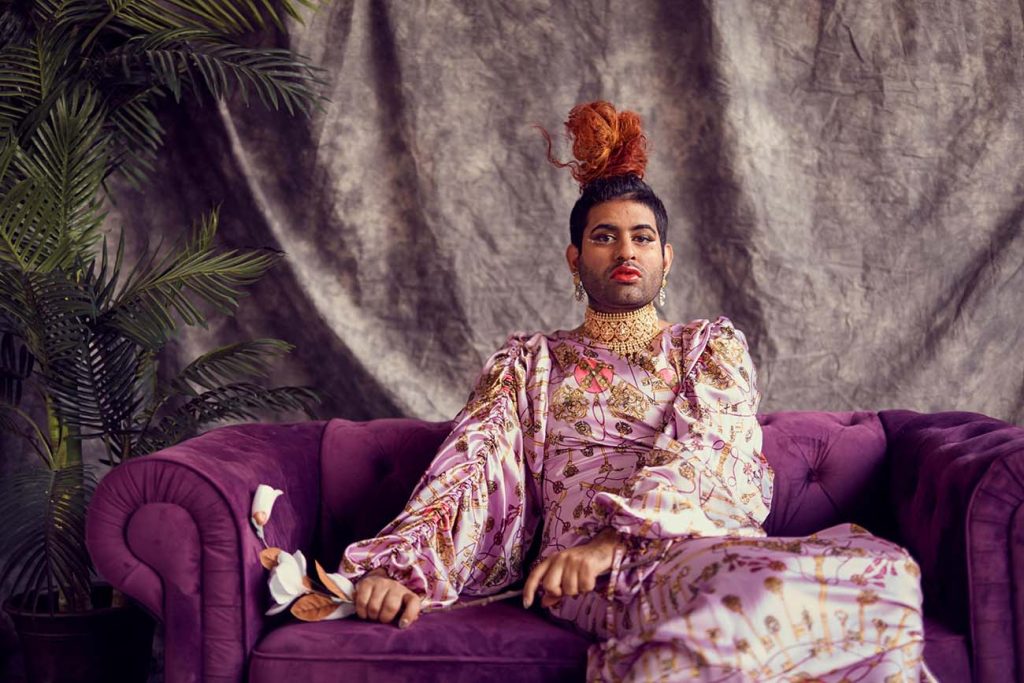
    Alok Vaid-Menon

    Alok Vaid-Menon, the writer and performance artist, has built a multifaceted brand that spans books, global speaking tours, and fashion collaborations. Their audience follows them not just for activism, but for perspective and style — an example of how thought leadership can function as a business model.

    Chella Man, the artist and filmmaker, blends queer and disability representation into a visual identity that extends from art installations to major brand work. By maintaining creative direction over every project, they’ve turned lived experience into both cultural and financial capital.

    Chris Olsen represents a new generation of digital-native LGBTQ+ entrepreneurs. What began as short-form humour on TikTok has evolved into a lifestyle brand anchored by Flight Fuel, his coffee company — a case study in how personality-led content can move from algorithm to product.

    In the adult and independent film space, Erika Lust has built a self-sustaining creative ecosystem through ErikaLust.com and LustCinema.com, showing how ethical, sex-positive storytelling can thrive on a subscription model. It’s an approach rooted in direct relationships with audiences, not dependency on ad-based platforms.

    Each of these creators operates with a similar blueprint: diversify income, retain rights, and build community around authentic work rather than opportunistic representation. Together, they illustrate what a mature queer creator economy looks like — one defined by ownership and longevity rather than seasonal relevance.

    Salsa Queer by Erika Lust

    Community over virality

    Another defining trait of sustainable queer creator brands is their orientation toward community rather than mass reach. Large platforms promise viral moments but rarely deliver loyal audiences. Newsletters, closed groups, and paid memberships may produce smaller numbers, but they foster deeper engagement, more stable income, and creative freedom.

    Queer creators have long been skilled at building alternative networks — a survival strategy born of exclusion. That same instinct is now becoming a blueprint for resilient digital business models.

    Playing the long game

    Building a queer creator brand that lasts requires a deliberate shift in perspective: away from seasonal visibility, toward ownership and autonomy. Pride Month can offer a platform, but what matters most is what creators build after the campaigns end.

    The most durable queer creator brands operate like independent media companies: they own their audience relationships, distribute on multiple channels, diversify revenue, and protect their creative voice. They understand the cycle — and they prepare for it.

    The rainbow logos will fade each July. The work that remains is what counts.

    🔑 Key Takeaways: Building Sustainable LGBTQ+ Creator Brands

    • Don’t rely on Pride Month visibility. Treat seasonal campaigns as bonus exposure, not your foundation.
    • Own your audience data. Email lists, subscriptions, and private communities are long-term assets.
    • Diversify revenue. Combine recurring subscriptions, products, partnerships, and live experiences.
    • Build partnerships with alignment. Choose brands that reflect your values and audience all year.
    • Prioritise community. Deep engagement beats fleeting virality every time.
    • Think like a publisher. Consistency, ownership, and autonomy define sustainability in the creator economy.