The Brief.

The business of content.

Tag: Platforms

  • The Ultimate Guide to Self-Publishing Platforms That Pay Creators

    The Ultimate Guide to Self-Publishing Platforms That Pay Creators

    The creator economy has reshaped the publishing landscape. The old pathways — agents, commissions, traditional media hierarchies — still have weight, but they no longer hold a monopoly on opportunity. Today, writers, educators, artists, podcasters, photographers, adult creators, and niche experts are building sustainable income streams through direct-publishing platforms that give them control over content, cadence, and audience relationships.

    Self-publishing is no longer a fallback. It’s a business model — one rooted in independence, data ownership, and the freedom to build without permission. This guide explores the platforms actually paying creators, what they offer, where they differ, and how to choose the right model for your work.

    First Glance

    Subscription Platforms

    Recurring revenue is the closest thing creators have to stability. Subscription models suit those producing regular work and cultivating loyal audiences.

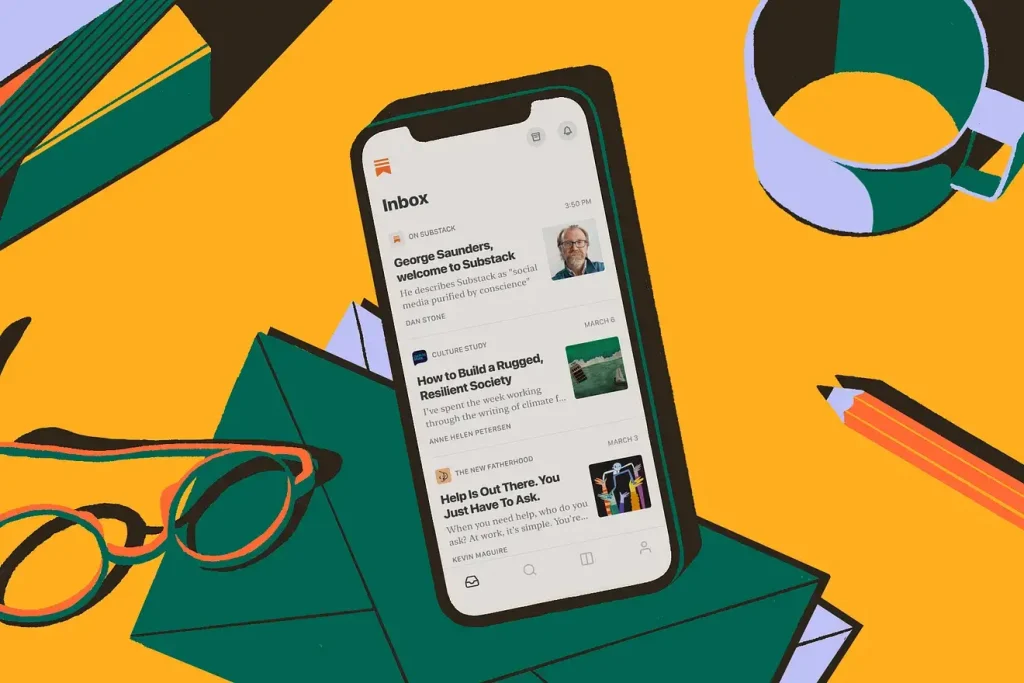
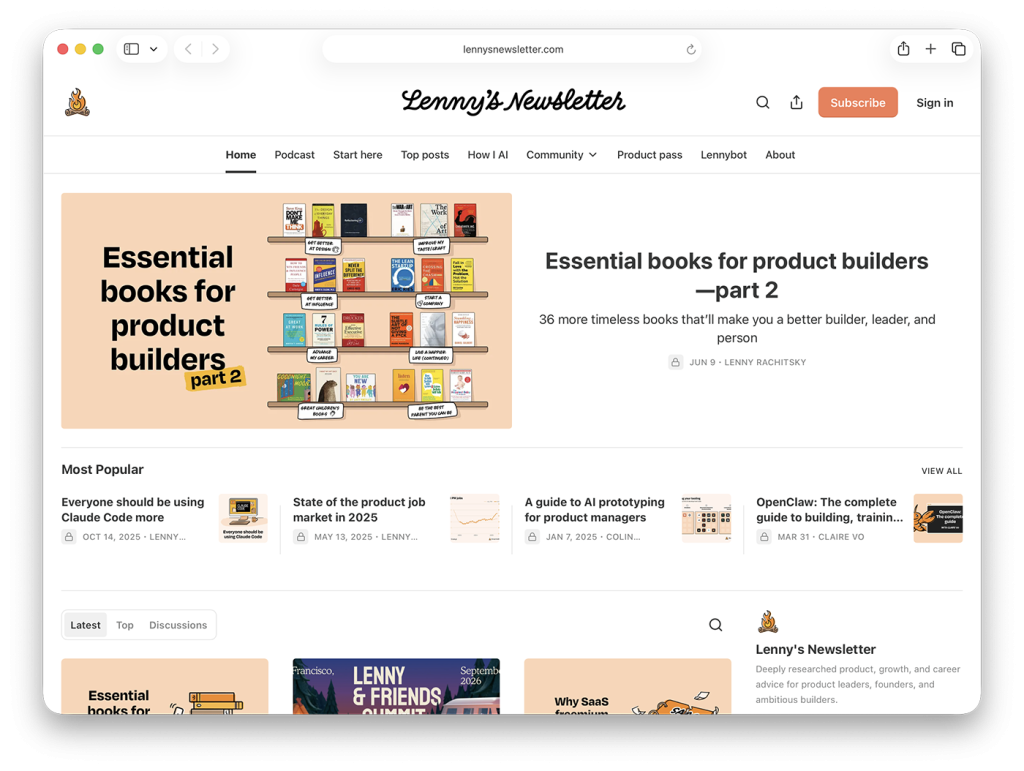
    Substack

    Ideal for writers, journalists, and commentators.

    – Email-first publishing
    – Paid newsletter subscriptions, founding memberships
    – Podcast and video-friendly
    – Community tools (chat, notes)

    Strength: direct audience ownership via email
    Good for: writing-led independent media brands, niche commentary, community-driven publishing

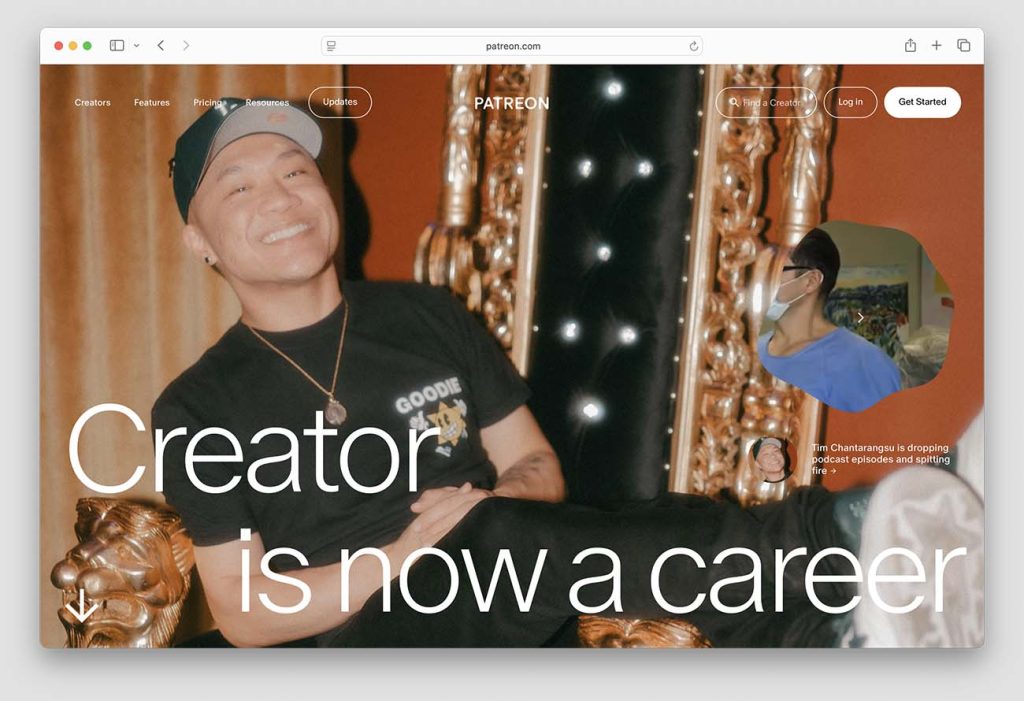
    Patreon

    One of the earliest models for recurring creator income.

    – Tiered memberships
    – Exclusive content, early access, community perks
    – Audio and video friendly

    Strength: flexible membership structures
    Good for: podcasters, educators, musicians, creators with a strong personality-led following

    OnlyFans

    Often framed narrowly, but a major economic engine for adult and wellness creators — and increasingly also for fitness coaches, entertainers, and educators.

    – Fan subscriptions
    – Pay-per-view content
    – Direct fan messaging
    – Tips and paid livestreams

    Strength: high audience conversion, direct creator-fan intimacy
    Good for: creators monetising intimacy, personality, and private-community dynamics

    Digital Product & Storefront Platforms

    For creators who prefer one-time sales, digital delivery, and asset-driven income.

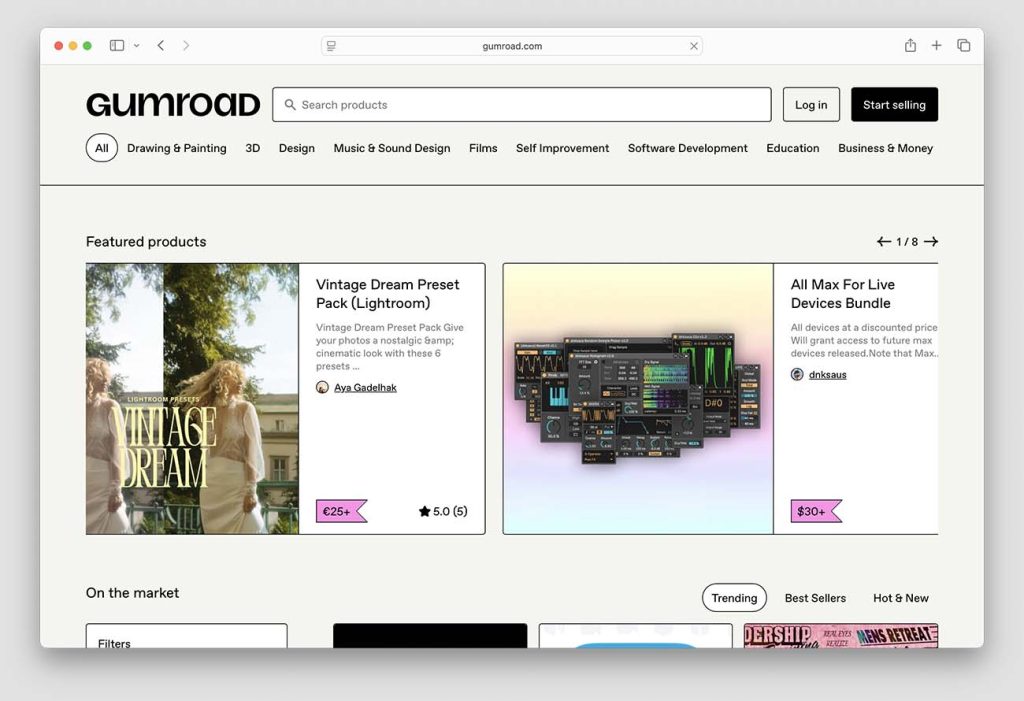
    Gumroad

    Simple, creator-first infrastructure.

    – Sell digital downloads, courses, memberships
    – Pay-once simplicity
    – No storefront complexity

    Good for: digital tools, ebooks, creative assets, templates, photography packs, indie publishing

    Ko-fi

    Creator support platform with tipping embedded into culture.

    – Donations (“buy me a coffee”)
    – Digital storefront
    – Memberships available

    Good for: artists, illustrators, independent makers, early-stage creators testing paid content

    Etsy

    No longer just crafts.

    – Digital downloads thrive (planners, fonts, Lightroom presets, guides)
    – Search-driven audience discovery
    – Known buyer intent

    Good for: visually-led creators, designers, lifestyle content, niche digital goods

    Course & Teaching Platforms

    For educators, coaches, and creators with actionable knowledge.

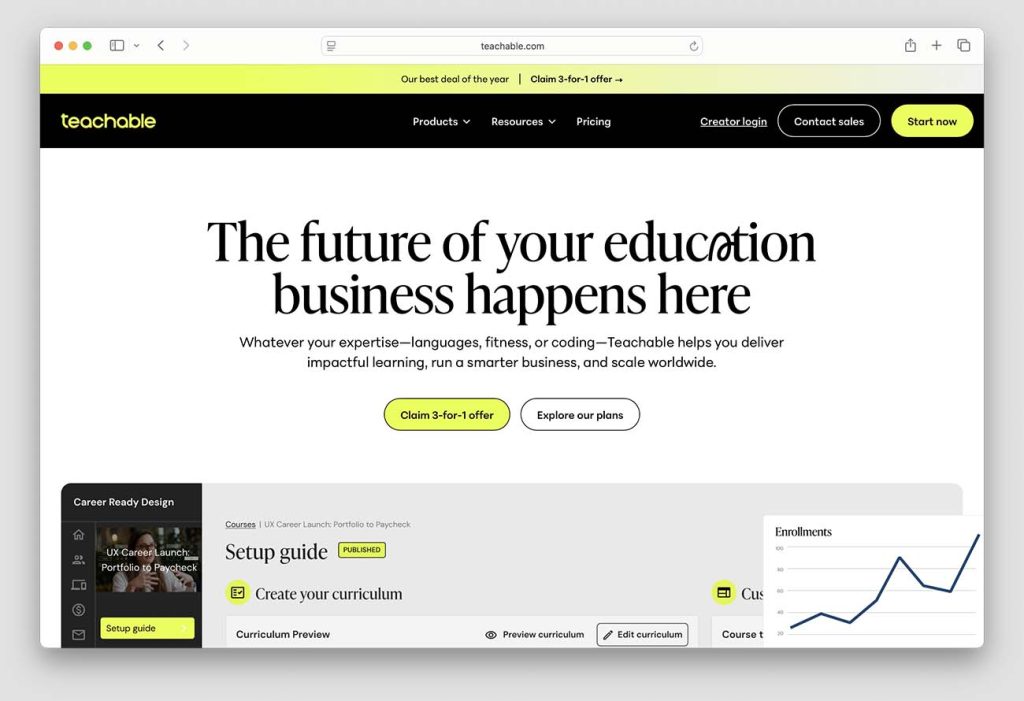
    Teachable / Thinkific

    Standalone course infrastructure.

    – Host video courses, sell bundles
    – Affiliate systems
    – Landing pages and student dashboards

    Good for: creators monetising expertise — marketing, design, fitness, language learning, technical skills

    Skillshare

    Marketplace model.

    – Creators paid via watch-time and referrals
    – Platform brings the audience

    Good for: design, illustration, writing, craft, productivity educators building top-of-funnel reach

    Screenshot

    Marketplaces & Ad-Share Platforms

    Better suited for reach-driven creators who monetise attention.

    YouTube

    The backbone of creator video income.

    – Ad revenue
    – Channel memberships
    – Merch shelf, SuperThanks, brand deals
    – Podcast push underway

    Good for: long-form storytelling, tutorials, commentary, evergreen content

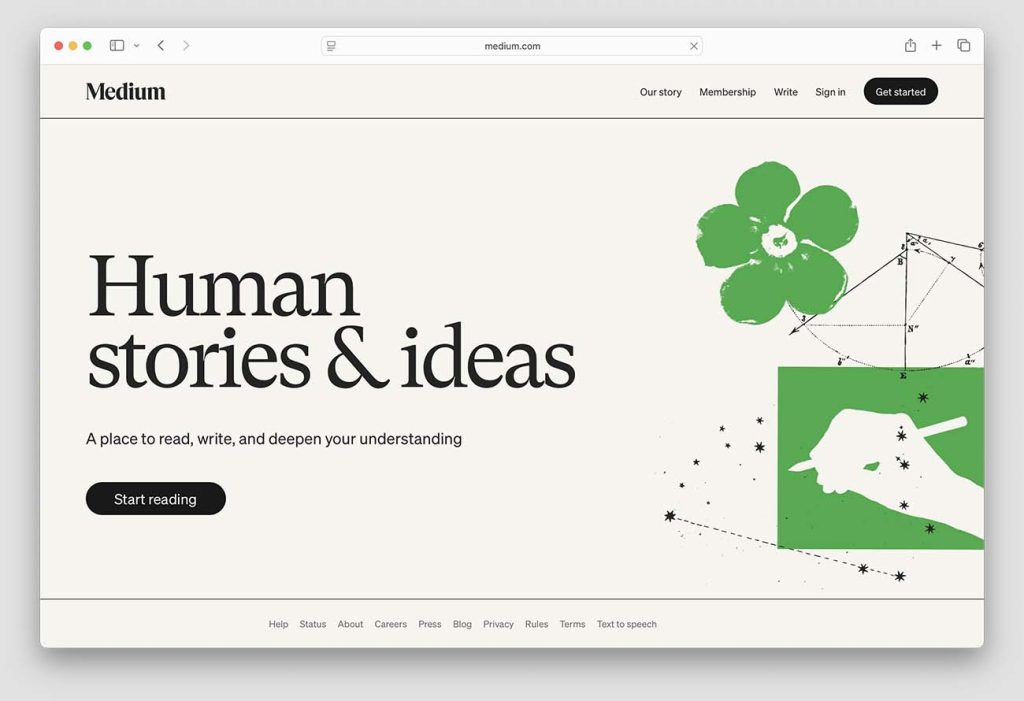
    Medium

    Writer-focused platform with a native audience.

    – Paid Partner Program based on member reading time
    – Niche publications
    – Distribution advantages when the algorithm hits

    Good for: essays, opinion, tech, wellness, personal narrative

    Screenshot

    Community-Led Spaces

    Private ecosystems where access is the product.

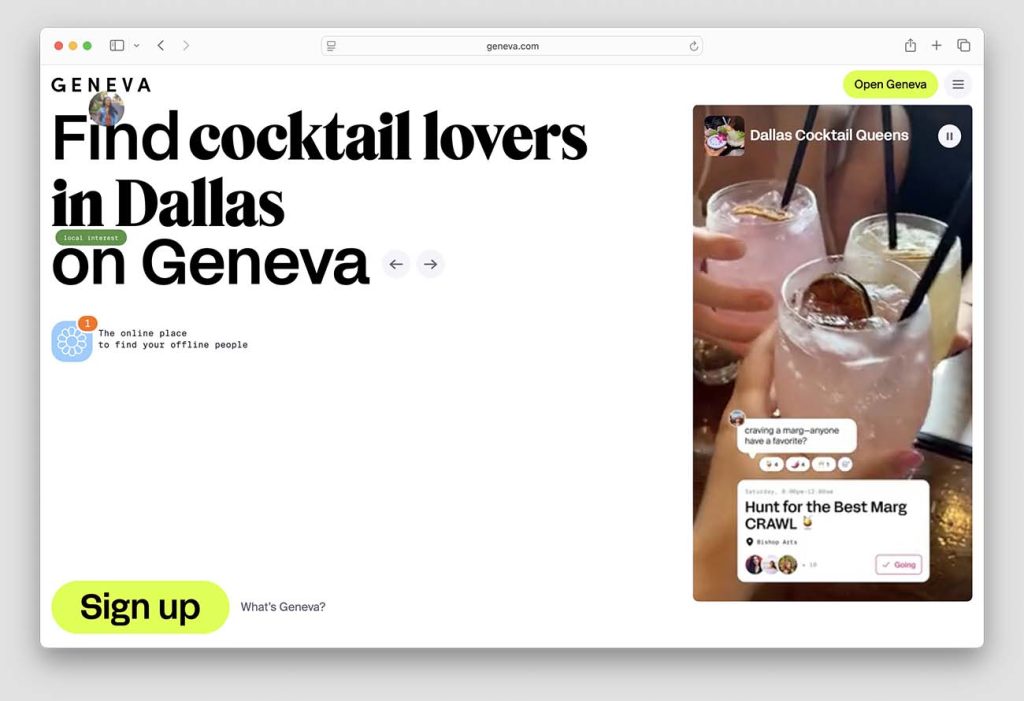
    Discord / Geneva

    Community hubs with paid entry or tiered access.

    – Membership-gated channels
    – Real-time conversation culture
    – Loyalty over scale

    Good for: niche groups, education cohorts, fan communities, accountability clubs

    Choosing a Platform: Strategic Questions

    Self-publishing isn’t about choosing the trendiest tool — it’s about choosing alignment.

    – Do you want ongoing revenue or one-off sales?
    – Is your work episodic or evergreen?
    – Where does your audience naturally gather?
    – How much control do you want over data and distribution?
    – Are you monetising information, entertainment, intimacy, or community?

    Creators who thrive treat platforms as infrastructure, not identity. Many operate with a portfolio approach: newsletter for core audience, marketplace for assets, community for depth. A sustainable publishing model is rarely one-platform-only — it’s a system.

    Erika Moen

    Case Studies: Creators Turning Platforms into Businesses

    The most successful self-publishers treat their platforms as infrastructure, not identity. These creators demonstrate how different models translate into long-term, independent income.

    Anne Helen Petersen — Substack

    A former BuzzFeed journalist, Petersen left traditional media to build Culture Study, a paid Substack newsletter exploring work, culture, and burnout. Her newsletter revenue now outpaces her former salary, and she’s expanded into podcasting and events.

    Lesson: Subject-matter authority and consistency can replace institutional backing.

    Hank Green — Patreon and YouTube

    One of the earliest YouTube educators, Green co-founded VidCon and runs a portfolio that spans science education, podcasts, and books. Patreon memberships fund niche projects free from ad pressure.

    Lesson: Diversification across platforms protects creative independence.

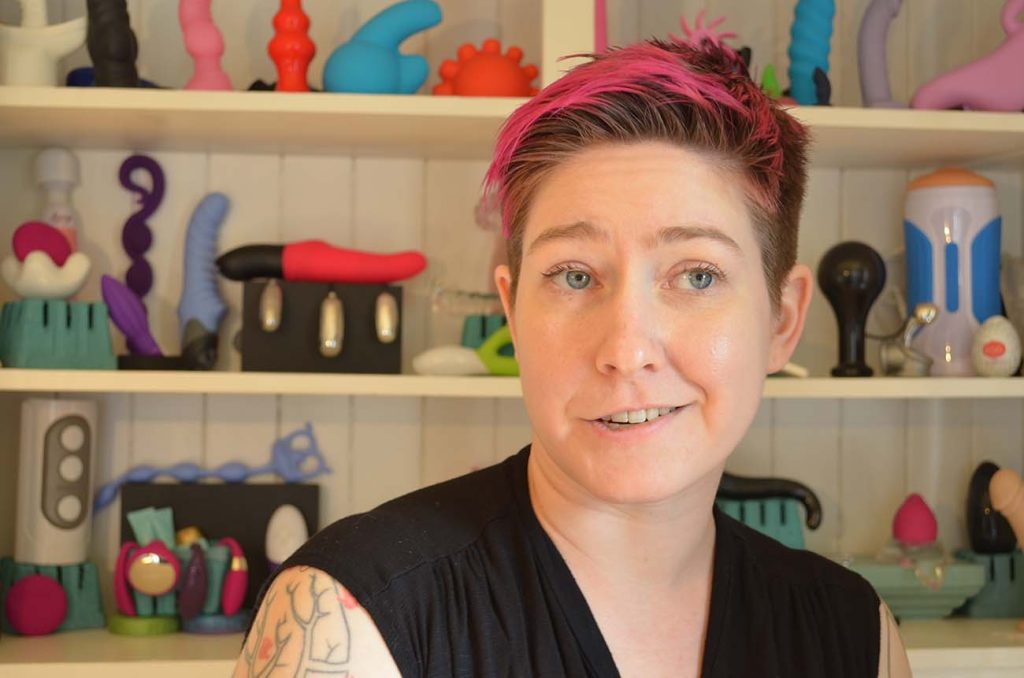
    Erika Moen — OnlyFans and Patreon

    The cartoonist behind Oh Joy Sex Toy built her audience through webcomics before adopting subscription models on Patreon and OnlyFans for adult education and art.

    Lesson: Intimacy and transparency can be a professional asset when framed within a clear ethical and creative vision.

    Ali Abdaal — Teachable and YouTube

    A former doctor turned productivity educator, Abdaal used YouTube as discovery and Teachable for conversion, building a multimillion-dollar online course business.

    Lesson: Free reach can feed high-value educational products when paired with structure and credibility.

    Traci Thomas — Podcast and Newsletter Ecosystem

    Host of The Stacks podcast, Thomas leveraged her literary community into paid newsletters, brand partnerships, and speaking events.

    Lesson: Community can be monetised laterally — through media, live experiences, and sponsorships.

    Each example underscores the same pattern: clarity of voice, audience ownership, and a willingness to evolve the business model as platforms shift.


    🔑 Key Takeaways

    💼 Self-publishing is a strategic business model, not an alternative to traditional media.

    💸 Subscription platforms like Substack, Patreon, and OnlyFans deliver recurring income and audience depth.

    🛍️ Digital storefronts such as Gumroad, Etsy, and Ko-fi work best for evergreen products and creative assets.

    🎓 Course platforms (Teachable, Thinkific, Skillshare) help knowledge-driven creators scale education.

    📺 Marketplace platforms including YouTube and Medium reward reach but depend on algorithms.

    💬 Community platforms like Discord and Geneva build loyalty and higher-value engagement.

    🧭 Operate across multiple channels — the most sustainable creator businesses diversify their presence.

    Ownership, consistency, and direct audience relationships remain the real differentiators.

  • What Creators Can Learn from OnlyFans

    What Creators Can Learn from OnlyFans

    How a platform often dismissed for its adult content quietly perfected the direct-to-audience model.

    For years, tech companies have been trying to build the perfect creator platform. Subscription buttons, tipping systems, new algorithms, endless talk about “empowerment.” Meanwhile, one company quietly got it right — not through innovation theatre, but through a blunt, workable model.

    OnlyFans didn’t reinvent the internet. It removed the noise. It gave creators a way to build direct relationships, set their own price, and get paid without having to beg an algorithm for scraps. That’s the part most of the tech world still doesn’t want to admit.

    Visibility isn’t a lottery

    Most platforms keep creators on a leash. Reach depends on engagement spikes, algorithm shifts, and whether your content fits the current flavour of the week. OnlyFans works on a simpler premise: if someone pays to follow you, they see what you post. Every time.

    No games. No disappearing reach. No paid boosts. That kind of predictability is rare online, and it gives creators actual control over their audience.

    Small numbers can pay the bills

    The traditional internet economy fetishises reach. OnlyFans rewards loyalty. A creator with a few hundred subscribers can out-earn someone with a massive following elsewhere.

    Five hundred subscribers at $10 a month is $5,000 in predictable income — without chasing viral moments, brand deals, or platform bonuses. That’s a steady business, not a gamble on attention.

    Access is the hook

    The product isn’t just the content. It’s the closeness. Subscribers pay because they get direct contact — messages answered, attention returned. That kind of proximity is rare on the big ad-driven networks, and it’s what turns casual followers into paying supporters.

    It’s not romantic or sentimental; it’s structural. Intimacy, when managed well, scales better than reach.

    Niche beats noise

    Creators are often told to go broad — reach more people, post everywhere, get bigger. OnlyFans proves that narrow works. A well-defined niche with a loyal base can outperform a massive but passive audience.

    This is the part most “creator tools” miss: focus is an asset, not a limitation. The sharper the niche, the more direct the connection, the stronger the revenue.

    Power stays with the creator

    The platform doesn’t own the pricing. It doesn’t decide who sees what. It doesn’t shuffle creators through an opaque feed designed to keep them on a hamster wheel. OnlyFans hands over the controls and gets out of the way.

    For creators burned out by the churn of attention-based platforms, that control isn’t a perk — it’s the entire point.

    Lessons worth taking

    You don’t need to be on OnlyFans to borrow its playbook. The structure — not the content — is what works. Substack proved the model with newsletters; OnlyFans applied it to everything else.

    • Build a direct line to your audience.
    • Prioritise recurring revenue.
    • Keep control of pricing and delivery.
    • Focus on loyal niches, not big numbers.
    • Offer real access, not algorithmic crumbs.

    The rest of the industry is still over-engineering solutions to problems OnlyFans quietly solved years ago. Creators looking to build sustainable work don’t need another platform chasing buzzwords. They need a model that works. This one already does.

  • How Substack Writers Can Build Audiences Without Paying for Visibility

    How Substack Writers Can Build Audiences Without Paying for Visibility

    When Substack first gained traction, it was hailed as a lifeline for independent writers: a platform where newsletters could bypass algorithmic feeds, connect directly with readers, and generate revenue through subscriptions. But as the platform has grown — now hosting hundreds of thousands of publications — discovery has become one of its most persistent challenges. Substack offers paid promotion tools, but not every writer wants (or can afford) to invest in ads to reach readers. Growth without a budget remains both necessary and possible.

    Start with the writing, not the platform

    Readers don’t subscribe because of the mechanics of Substack. They subscribe because the writing offers clarity, perspective, or utility they can’t find elsewhere. Growth begins with sharpening the voice: a distinct angle, a rhythm of publishing, and an ability to frame ideas in ways that matter to a specific audience. Consistency matters less than predictability. Weekly is fine, monthly is fine — so long as the cadence is steady enough to build trust.

    Borrow audiences strategically

    Most successful newsletters don’t grow in isolation. Writers leverage overlapping communities — Twitter threads linking back to essays, guest posts on other newsletters, podcast appearances, even traditional op-eds. Cross-pollination works because it taps into audiences already primed to read. An early-stage Substack benefits more from being recommended by three peers in its niche than from paying for anonymous clicks.

    Make the archive work for you

    One overlooked advantage of Substack is the permanent archive. Each post has a URL that can circulate far beyond its send date. Treat the archive as evergreen publishing: update older posts with context, resurface them on social media, and link internally within your own essays. Search visibility may not be as powerful as a dedicated blog on WordPress, but Substack posts do index in Google, and long-tail discovery remains a real source of organic growth.

    Lean on recommendations and networks

    Substack’s own recommendation feature, while imperfect, still provides value. Writers with even modest subscriber lists can generate meaningful referrals, especially within tightly defined niches. Beyond the platform, independent networks of newsletter writers (informal Slack groups, Discord servers, co-promotion collectives) are quietly effective. The key is reciprocity: the best growth often comes from communities where writers actively support each other rather than chasing one-way promotion.

    Don’t ignore design and accessibility

    While content rules, presentation helps. Clear subject lines, accessible formatting, and thoughtful design reduce friction. Readers who enjoy receiving your work are more likely to forward it to others — one of the oldest and most reliable forms of organic growth. Substack offers limited customisation, but small details — images, typography, readability on mobile — make an outsized difference in shareability.

    Growth without shortcuts

    The temptation with any platform is to search for hacks. Substack is no exception. But the newsletters that endure, and the ones that generate revenue, tend to grow steadily rather than virally. They are built on a compound model: one reader forwarding to another, one post being cited by a larger outlet, one collaboration leading to a new audience. None of these require an ad budget, but they do require persistence and clarity of intent.

    The Brief will continue to track how discovery evolves on Substack and other newsletter platforms. For now, the message is straightforward: growth without payment is slower, but it builds an audience that is more loyal, more invested, and more likely to stay.

  • Why The Brief Exists

    Why The Brief Exists

    The term “creator economy” has become shorthand for something sprawling and hard to define. It encompasses the Substack writer publishing twice a week to a fiercely loyal but modest readership; the podcaster stitching together sponsorships while editing from their kitchen table; the lifestyle blogger who still publishes through a traditional CMS but finds most of their audience through Instagram; the gamer who streams to a few hundred regulars every evening; the model with thousands of paying subscribers on OnlyFans; and the influencer working with global brands, their reach measured in millions.

    These people rarely think of themselves under the same umbrella, but their challenges overlap. They are each trying to carve out a sustainable space on the internet, to balance creative integrity with the realities of growth, to deal with opaque platforms and unpredictable algorithms. And while the infrastructure for this economy has expanded rapidly — new apps, new tools, new ways to monetise — the knowledge required to navigate it remains scattered. One article here, one tip thread there, a podcast interview tucked behind a paywall, a rumour passed between creators about a coming platform change.

    The Brief exists to address this gap. It is designed as a reference point for anyone building a presence online, whether they identify as an influencer, an independent journalist, a blogger, a cam model, or something else entirely. What unites these groups is a need for clarity: how to understand the landscape, how to grow within it, and how to protect the value of their work.

    The aim is not to offer shortcuts or hype. There are enough empty promises of “overnight growth hacks” in circulation. Instead, The Brief will provide analysis rooted in evidence, guidance shaped by practice, and resources that can be acted upon immediately. It will take the perspective that creators are entrepreneurs, operating small but ambitious businesses within a chaotic and constantly shifting marketplace.

    Coverage will stretch across both the fundamentals and the frontiers. Expect practical posts on subjects like negotiating brand partnerships, building subscriber communities, or maximising the reach of a single piece of content. Alongside these will be essays on the broader forces shaping the creator economy: the cultural implications of platform design, the consequences of algorithmic shifts, the lessons traditional media can still offer, and the ways in which creators are setting the pace for industries far larger than their own.

    Upcoming posts will tackle questions such as:

    • How Substack writers can build audiences without paying for visibility
    • The free tools every creator should be using in 2025
    • What OnlyFans can teach about community-building and loyalty
    • How to read the signals behind algorithm changes
    • Why newsletters, blogs, and podcasts still matter in an era dominated by short-form video

    The Brief is intended to grow alongside its readers. This first piece is not a mission statement carved in stone, but a declaration of intent. As the platforms evolve and the business of being a creator continues to mature, so too will the scope of this site. What will remain consistent is the perspective: that creators deserve serious, reliable coverage, and that the work of building online is not a side pursuit but a profession.

    Welcome to The Brief. A guide, a reference point, and — hopefully — a voice of clarity in a space that too often confuses speed with substance.