Every June, the internet undergoes its annual rainbow transformation. Brands switch their logos, campaigns promise inclusion, and LGBTQ+ creators find their inboxes swelling with short-term offers. Pride has become both a cultural touchstone and a commercial cycle — one that can offer queer talent a moment in the spotlight but rarely a seat at the table.
The problem isn’t visibility. It’s what happens to that visibility once the calendar flips to July.
For many queer creators, this seasonal surge is a double-edged sword: welcome exposure wrapped in structural fragility. Pride Month may open the door to new audiences and brand collaborations, but it often does little to address the underlying instability of the creator economy — particularly for communities historically sidelined from its rewards.
Sustainable creative work requires more than a seasonal invitation. It requires ownership, strategy, and infrastructure.
A fragile spotlight
The commercialisation of Pride has created a predictable rhythm. From mid-May to early July, brand budgets open up. Sponsored posts rise. Queer creators are booked for panels, features, and partnerships that promise to “celebrate diversity.” And then — almost as if by script — the emails slow down, the campaigns dry up, and attention drifts elsewhere.
This annual boom-and-bust cycle leaves many creators trapped between hyper-visibility and neglect. It’s not just emotionally disorienting; it’s financially precarious. Campaigns are short-term, rates are often inconsistent, and visibility is typically built on borrowed platforms that don’t guarantee retention once the algorithm moves on.
Several LGBTQ+ creators have described this moment as a “sugar high” — a burst of opportunity without the infrastructure to sustain it. For those without long-term audience strategies, the come-down can be brutal: metrics collapse, income dips, and creative momentum is interrupted.

Platforms don’t owe permanence
Social media has always been volatile terrain, but queer creators often face additional friction: shadowbanning, content moderation biases, and advertiser “brand safety” filters that penalise words, images, and identities. This is especially visible on Instagram and TikTok, where LGBTQ+ content is frequently demoted or flagged.
Depending on seasonal marketing pushes makes creators vulnerable to forces they can’t control — algorithms, ad budgets, or shifting cultural winds. That’s why more queer creators are moving to models that prioritise direct audience ownership.
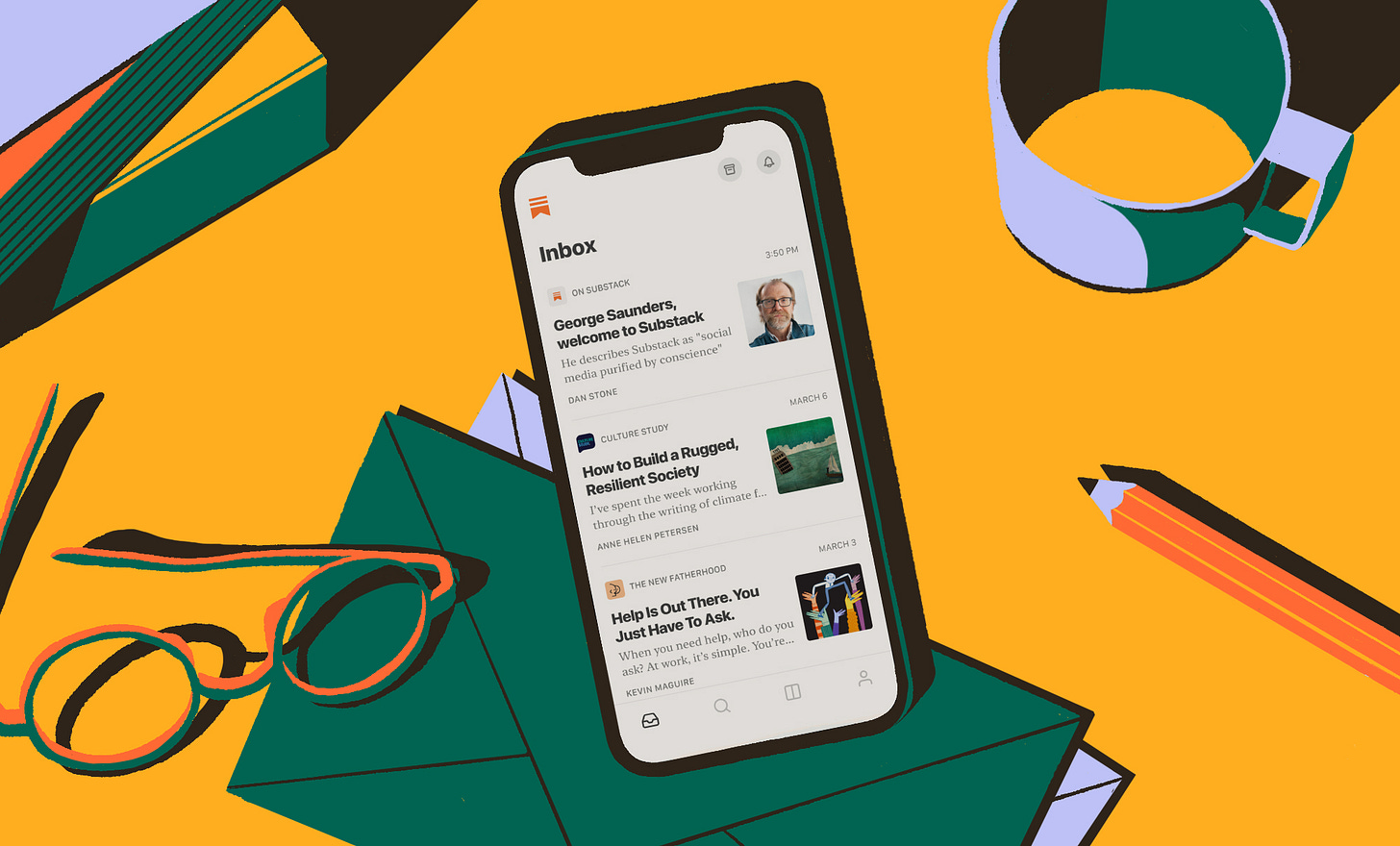
Platforms like Substack and Beehiiv have become vital tools: not glamorous, but powerful. Email lists don’t vanish when hashtags fall out of trend. Subscription platforms such as Patreon or OnlyFans give creators predictable monthly income and the ability to define their communities on their own terms. Private Discord servers, Signal groups, and forums are becoming modern queer salons: spaces where creators and audiences connect without platform mediation.
What’s happening here isn’t just diversification — it’s insulation. By owning the means of connection, creators reduce the damage when algorithms shift or Pride campaigns disappear.
Diversifying income streams
For creators, sustainable business models are rarely built on a single revenue source. Among queer talent who’ve managed to create stable income, certain patterns recur:
- Direct subscriptions that provide a baseline of recurring revenue.
- Digital products and merchandise that turn personal aesthetics or expertise into tangible assets.
- Strategic brand partnerships negotiated year-round, not concentrated in June.
- Workshops, live events, or performances that expand the relationship beyond the screen.
- Consulting or creative direction that leverages personal branding into external opportunities.
This layered structure is a hedge against volatility. It ensures that when one stream falters — whether that’s a platform policy change or the post-Pride marketing slump — another can pick up the slack.
Importantly, these creators treat their work less like a campaign calendar and more like a publishing strategy. They understand what their audience values, how to deliver it consistently, and how to own as much of that delivery mechanism as possible.
Branding without compromise
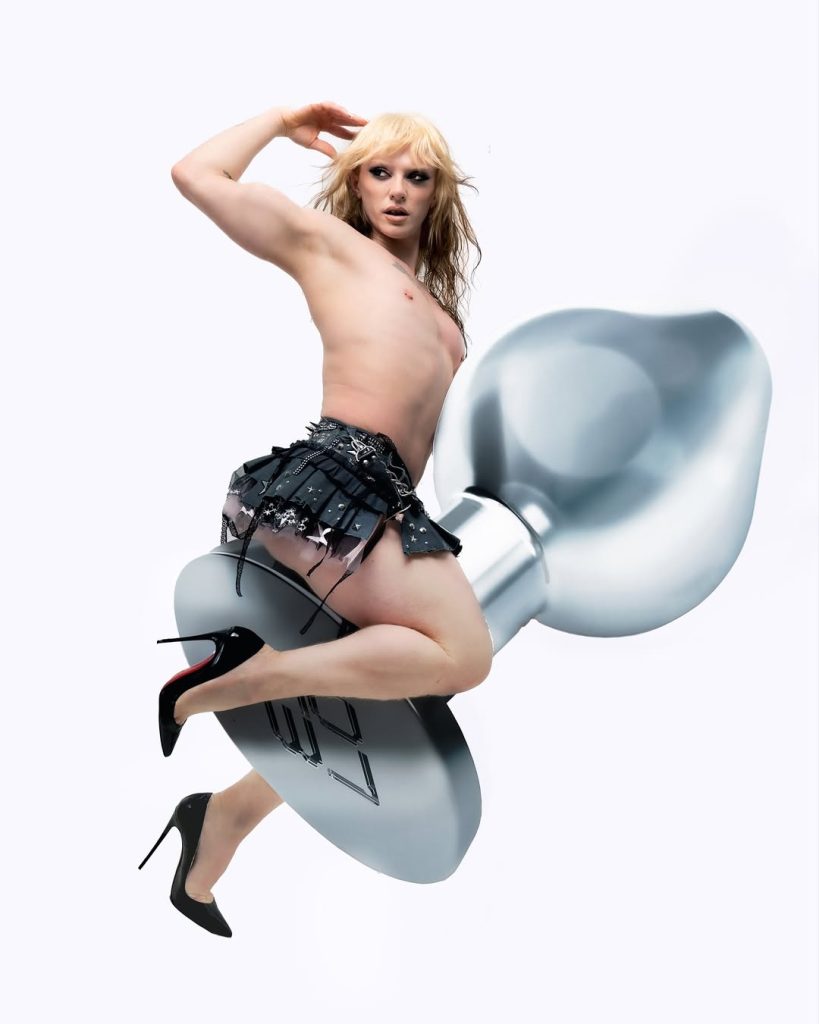
Tokenization remains a persistent challenge. Many LGBTQ+ creators are offered opportunities framed around their identity rather than their craft. That dynamic can distort career trajectories: the work becomes secondary to representation, and creators are treated as seasonal symbols rather than fully formed talents.
Long-term branding means reversing that hierarchy. It means treating identity as context, not commodity. Queer creators increasingly choose to collaborate with partners whose values align with their communities year-round — not just when rainbow logos trend. They set terms, build their own media ecosystems, and use seasonal campaigns as leverage rather than lifelines.
This isn’t about turning down visibility. It’s about refusing to let visibility define the perimeter of their work.
Case Studies: Queer Creators Redefining Independence
A growing number of LGBTQ+ creators are proving that creative control and commercial success aren’t mutually exclusive. Across media, fashion, and publishing, they’re demonstrating that independence — not token visibility — is the foundation of a lasting career.
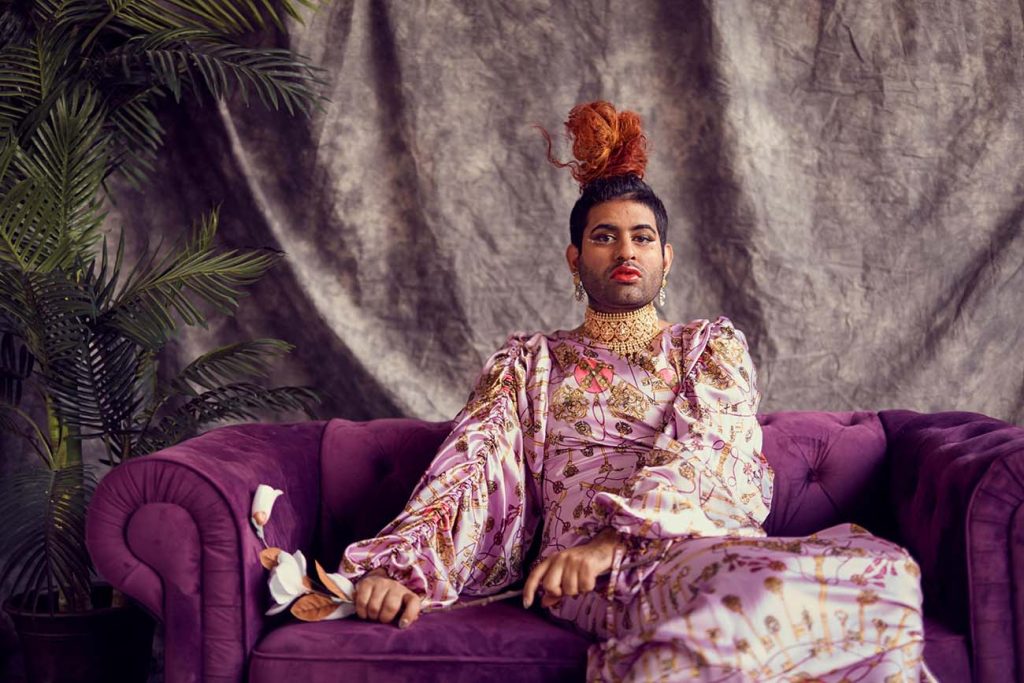
Alok Vaid-Menon, the writer and performance artist, has built a multifaceted brand that spans books, global speaking tours, and fashion collaborations. Their audience follows them not just for activism, but for perspective and style — an example of how thought leadership can function as a business model.
Chella Man, the artist and filmmaker, blends queer and disability representation into a visual identity that extends from art installations to major brand work. By maintaining creative direction over every project, they’ve turned lived experience into both cultural and financial capital.
Chris Olsen represents a new generation of digital-native LGBTQ+ entrepreneurs. What began as short-form humour on TikTok has evolved into a lifestyle brand anchored by Flight Fuel, his coffee company — a case study in how personality-led content can move from algorithm to product.
In the adult and independent film space, Erika Lust has built a self-sustaining creative ecosystem through ErikaLust.com and LustCinema.com, showing how ethical, sex-positive storytelling can thrive on a subscription model. It’s an approach rooted in direct relationships with audiences, not dependency on ad-based platforms.
Each of these creators operates with a similar blueprint: diversify income, retain rights, and build community around authentic work rather than opportunistic representation. Together, they illustrate what a mature queer creator economy looks like — one defined by ownership and longevity rather than seasonal relevance.
Community over virality
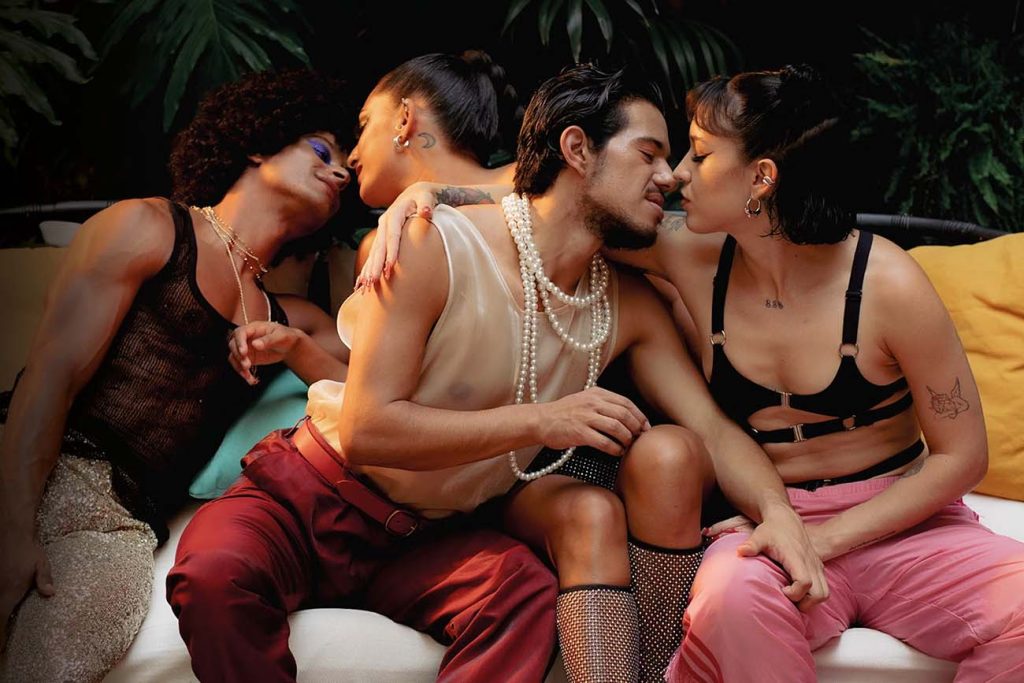
Another defining trait of sustainable queer creator brands is their orientation toward community rather than mass reach. Large platforms promise viral moments but rarely deliver loyal audiences. Newsletters, closed groups, and paid memberships may produce smaller numbers, but they foster deeper engagement, more stable income, and creative freedom.
Queer creators have long been skilled at building alternative networks — a survival strategy born of exclusion. That same instinct is now becoming a blueprint for resilient digital business models.
Playing the long game
Building a queer creator brand that lasts requires a deliberate shift in perspective: away from seasonal visibility, toward ownership and autonomy. Pride Month can offer a platform, but what matters most is what creators build after the campaigns end.
The most durable queer creator brands operate like independent media companies: they own their audience relationships, distribute on multiple channels, diversify revenue, and protect their creative voice. They understand the cycle — and they prepare for it.
The rainbow logos will fade each July. The work that remains is what counts.
🔑 Key Takeaways: Building Sustainable LGBTQ+ Creator Brands
- Don’t rely on Pride Month visibility. Treat seasonal campaigns as bonus exposure, not your foundation.
- Own your audience data. Email lists, subscriptions, and private communities are long-term assets.
- Diversify revenue. Combine recurring subscriptions, products, partnerships, and live experiences.
- Build partnerships with alignment. Choose brands that reflect your values and audience all year.
- Prioritise community. Deep engagement beats fleeting virality every time.
- Think like a publisher. Consistency, ownership, and autonomy define sustainability in the creator economy.